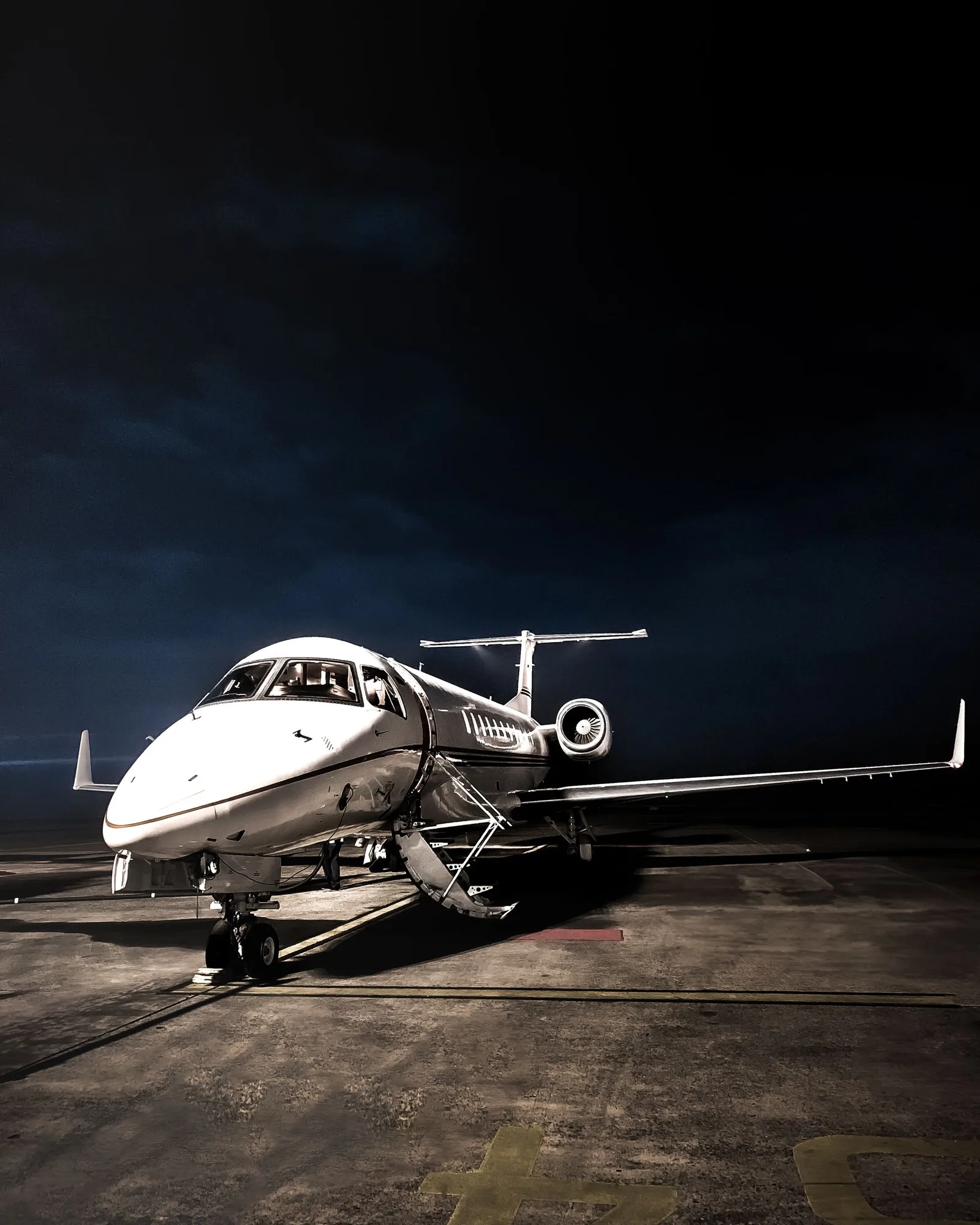
Disclosure: Exclusive Jet Charter is an independent information and comparison guide. We may earn a commission if you request a quote or book through our partner links, at no extra cost to you. We do not operate aircraft or sell flights. Read our affiliate disclosure.
“How much is a two-hour flight on a private jet?†sounds like a question with one number behind it. It is not. You charter the whole aircraft, not a seat, and operators usually bill block time — from the moment the jet leaves the parking stand to the moment it shuts down — plus a daily minimum, positioning, and airport fees.
A useful planning range, based on published 2026 broker estimates, is roughly the low teens of thousands of dollars for a smaller cabin on a straightforward two-hour trip, up through the mid-$20,000s or more for midsize and super-midsize aircraft, and higher still for heavy jets. The rest of this article explains how those figures are built, which public sources they come from, and why a “two-hour†itinerary can price like something longer.
What “two hours†means on a charter invoice
Flight time in the air is only part of the bill. Block time includes taxi. A city pair that is 1 hour and 45 minutes cruise might bill closer to two hours once the aircraft is moving on the ground. Some quotes also include a short positioning leg if the jet is not already at your departure airport.
Many operators also apply a daily minimum, often around two flight hours, for each day they hold the aircraft for you. Stratos Jets has explained this clearly in its 2026 pricing guide: short flights can cost more per hour than longer ones, because the minimum and the cost of getting the aircraft in place are spread over less flying. That is why Stratos cites Los Angeles–Las Vegas (about 54 minutes in the air) at about $10,500–$14,600 one way on a light jet, while Chicago–New York, at about 2 hours 6 minutes, is listed at about $14,800–$20,600 — more than twice the distance, but not twice the price.
So a “two-hour private jet flight†can mean:
- About two hours of block time on a one-way trip, billed close to two hours plus fees.
- A shorter hop that still meets a two-hour daily minimum.
- A two-hour outbound with the same aircraft held for a return, which can add more billed time than the airborne hours alone.
Always ask whether the quote is a one-way, a same-day round trip, or a multi-day hold, and whether the hours shown are block hours or estimated time in the air.
Hourly rate ranges you can actually source
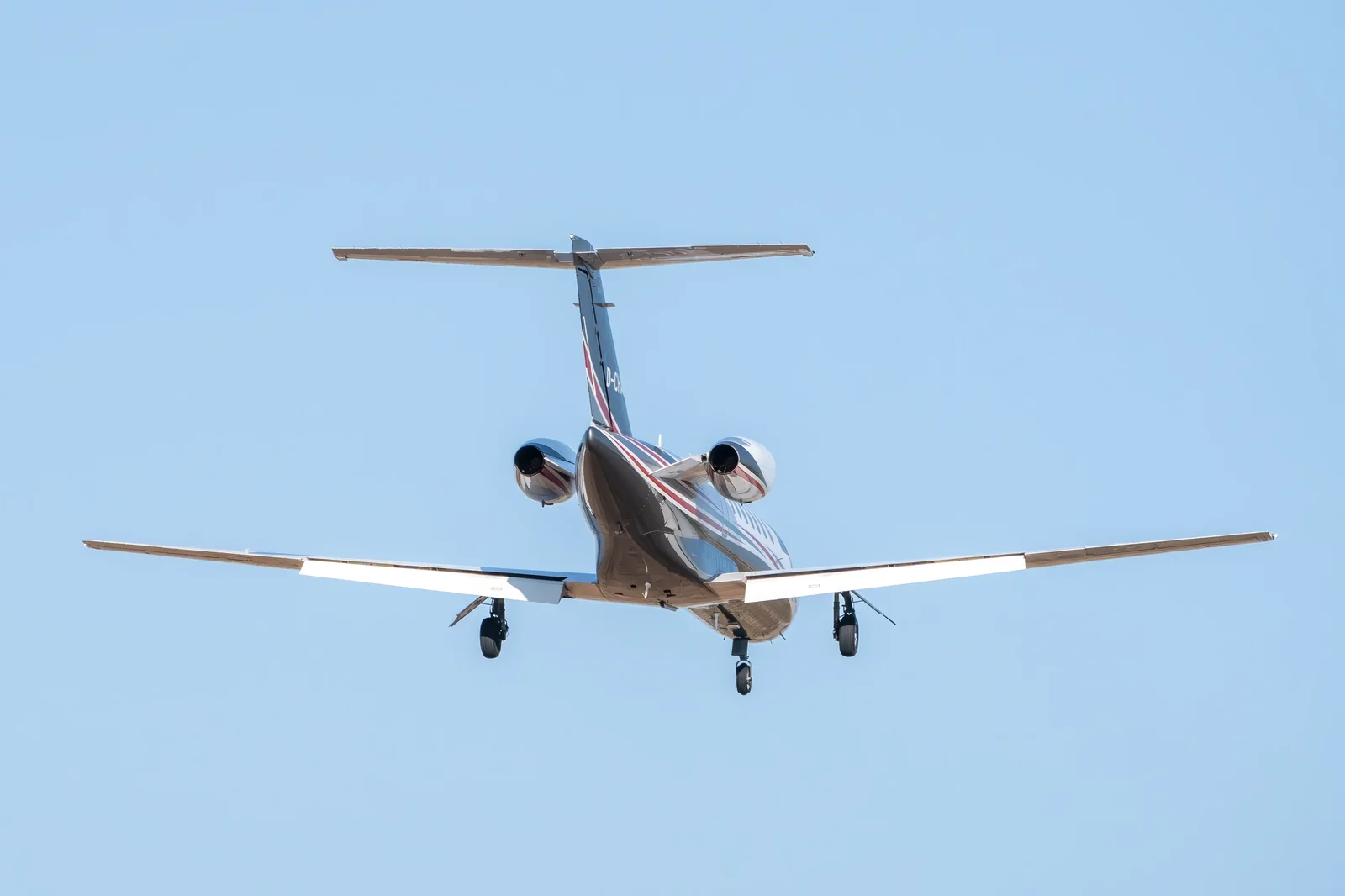
The cleanest public all-in hourly table published in November 2026 comes from Stratos Jets, which says it includes the aircraft, crew, fuel, repositioning, the 7.5% U.S. federal excise tax, segment fees, and standard landing and handling in its retail estimates. De-icing and catering are extra when needed. Its all-in hourly bands:
| Aircraft category | Typical passengers (guide) | All-in hourly estimate (Stratos, Nov 2026) |
|---|---|---|
| Turboprop | Up to 8 | $5,946–$7,268 |
| Very light jet | 2–4 | $5,648–$6,903 |
| Light jet | 3–6 | $7,622–$9,316 |
| Super light jet | 3–8 | $7,740–$9,460 |
| Midsize jet | 6–8 | $8,300–$10,144 |
| Super-midsize jet | Up to 9 | $9,684–$11,836 |
| Heavy jet | Up to 13 | $12,318–$15,056 |
| Ultra-long-range jet | Up to 14 | $18,744–$22,910 |
If you simply multiply those light-jet and midsize bands by two hours, you get a rough $15,200–$18,600 for a light jet and $16,600–$20,300 for a midsize jet, before any extra charges that are not in the model. That arithmetic is a starting point, not a quote. A trip that triggers a minimum, a positioner, peak-event demand, or a more expensive airport can land higher. A well-placed aircraft on a quiet day can land lower.
Other brokers publish route prices rather than a single hourly menu. Elevate Jet, also updating figures in November 2026, lists example one-way starting prices such as Boston–New York on a turboprop from about $7,275 (under an hour in the air) and Atlanta–New York on a light jet from about $15,779 (about 1.6 hours). Those examples show how a trip shorter than two hours can still price in the mid-teens once minimums and routing are included.
European figures are a different market. Reporting in November 2026 that cited broker Fast Private Jet put typical European hourly rates around €2,800–€4,200 for light jets, €4,200–€6,500 for midsize jets, and €8,000–€13,000 or more for heavy jets, with turboprops and very light jets often lower. A two-hour European light-jet sector at those rates would land in a different currency band than a U.S. all-in quote and is not directly interchangeable.
A two-hour trip is still priced per aircraft
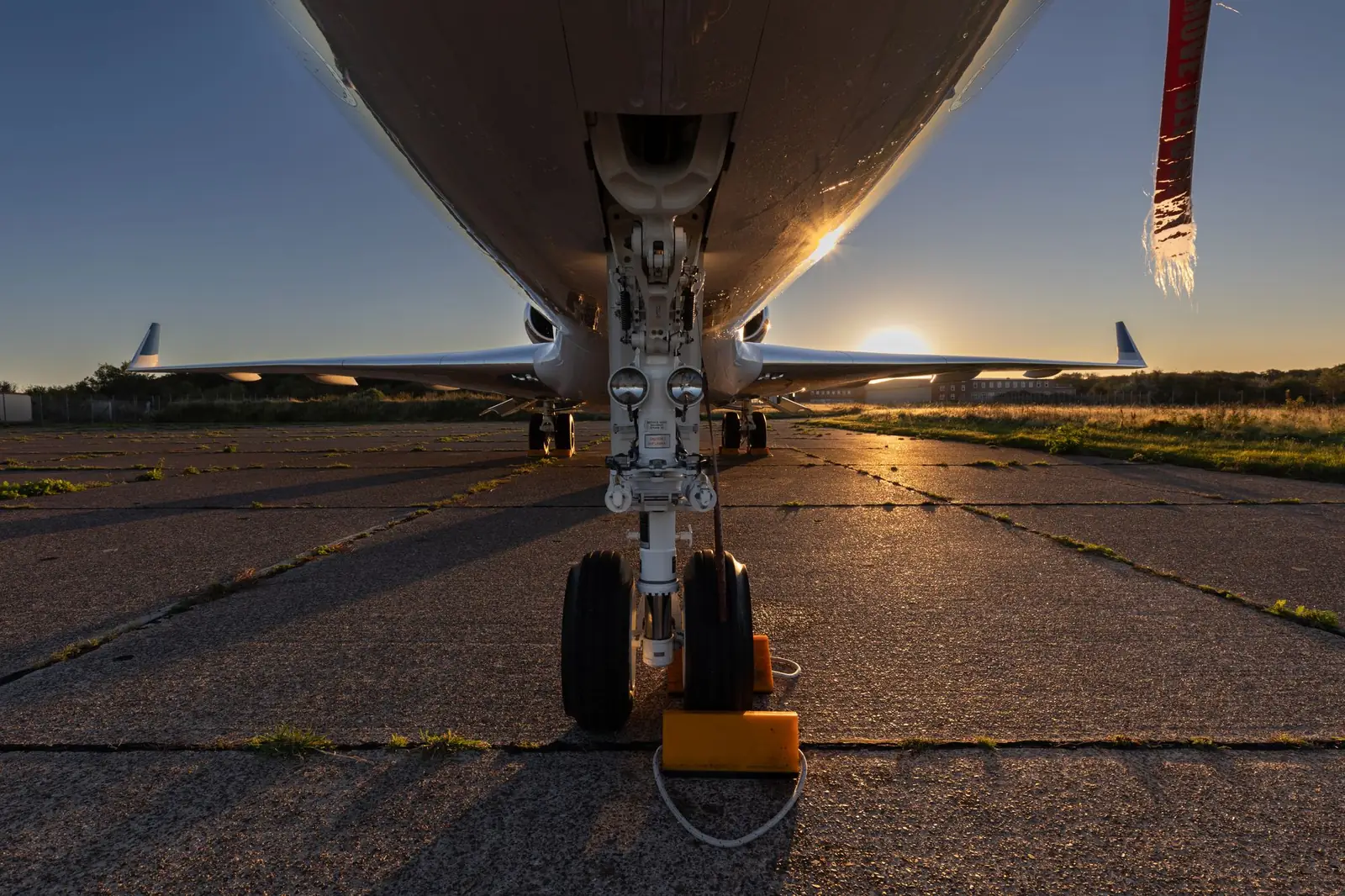
Charter is not a per-seat fare. Whether one passenger flies or the cabin is full, the aircraft price is the same (unless you are buying a different product, such as a shared-seat program). Filling six seats on a $18,000 light-jet bill is simply a way to think about the trip, not a change in how the operator invoices you.
That is why two hours in a very light jet for a couple can be a sensible match, while a team of eight with ski bags may need a midsize cabin and a higher two-hour total. Cabin choice is usually driven by passenger count, baggage, range, and runway length — not by trying to make the hourly rate look smaller.
What pushes a two-hour quote up or down
Several line items show up again and again in charter pricing explainers:
- Positioning. If the jet has to fly empty to reach you, you may pay for that time. Empty-leg inventory is the flip side of this problem: sometimes someone else has already paid to place the aircraft where you need it.
- Airport and handling fees. Busy or high-cost airports, and some private aviation terminals, are more expensive than quieter reliever fields.
- Peak dates. Holidays, major sports events, and popular weekend city pairs tighten supply.
- One-way versus round trip. Keeping the same aircraft for a return can be priced more efficiently than two unrelated one-ways, but a multi-day wait can add crew overnight costs.
- Optional extras. Catering, de-icing, ground transport, and international handling are often excluded from the headline rate.
- Taxes. On many U.S. domestic charters, a 7.5% federal excise tax applies. Confirm whether a “from†price already includes it. Stratos says its November 2026 all-in figures do; many older “base hourly†tables do not.
JetLevel, publishing all-in figures from its own quote data, has also shown that very short trips (under 200 nautical miles) still carry substantial medians — for example a light-jet median around $10,289 one way in that distance band — because minimums and fees dominate when the flight itself is brief. A two-hour trip is longer than that band, but the same logic applies at the short end of the scale.
How to get a number you can trust
When you request a quote, provide the date and time window, origin and destination airports (plus acceptable alternates), passenger count, baggage, pets, and whether you need the aircraft held for a return. Ask for:
- The aircraft category and example make/model.
- Estimated block time versus airborne time.
- Whether a daily minimum applies.
- An all-in total, with tax, landing, handling, and positioning listed.
- Validity of the quote and cancellation terms.
If two hours is only an estimate, ask what happens if winds or a longer taxi push the block over the next tenth of an hour. And if a quote looks far below published bands for that cabin, confirm that it is not an empty-leg or a smaller aircraft than you expected.
Frequently Asked Questions
Is a two-hour private jet flight about $10,000?
Sometimes a smaller aircraft on a simple routing can come in near the low teens, and a very short hop can be in a similar neighborhood because of daily minimums. It is not a reliable rule. Midsize and larger cabins, busy airports, and positioning can push a two-hour-style trip well into the $20,000s or higher. Use a written all-in quote.
Why can a one-hour flight cost almost as much as a two-hour flight?
Because operators often bill a daily minimum and still have to position the aircraft, pay the crew, and cover landing and handling. Those costs do not shrink in proportion to cruise time. Stratos’s Los Angeles–Las Vegas versus Chicago–New York examples in 2026 are a clear illustration.
Does the price change if I bring more passengers?
Not usually, as long as everyone fits the aircraft’s certified seating and weight limits. You are paying for the jet. If you add people or bags beyond that aircraft’s limits, you need a larger cabin — and a different price.
Can an empty leg reduce the cost of a two-hour trip?
Yes, if a repositioning flight already matches your route and time window. Brokers often describe empty-leg discounts in a wide band, commonly around 25–75% below a comparable on-demand charter, with the exact figure depending on the flight. Flexibility is required, and the leg can change if the original trip changes.
Are these prices per person?
No. The figures in this article are for the whole aircraft unless a source is clearly talking about a different product.
Key takeaways
A two-hour private jet charter is best budgeted as a whole-aircraft trip in the mid-teens of thousands of dollars and up, not as a per-person fare and not as “two times a low advertised hourly rate.†Stratos Jets’ November 2026 all-in hourly bands, and route examples such as Chicago–New York at about $14,800–$20,600, are reasonable calibration points. Confirm block time, daily minimums, positioning, taxes, and airport fees in the quote, and match the cabin to the passengers and bags you actually have.
Request a quote
Exclusive Jet Charter is an independent guide and does not operate or sell flights. When you are ready to request a trip quote, start on our Request a Quote page. Until a partner quote form is approved, that page will direct you to Contact.