Category: Charter Costs

  • How Much Does a 2-Hour Private Jet Flight Cost?

    How Much Does a 2-Hour Private Jet Flight Cost?

    Disclosure: Exclusive Jet Charter is an independent information and comparison guide. We may earn a commission if you request a quote or book through our partner links, at no extra cost to you. We do not operate aircraft or sell flights. Read our affiliate disclosure.

    “How much is a two-hour flight on a private jet?” sounds like a question with one number behind it. It is not. You charter the whole aircraft, not a seat, and operators usually bill block time — from the moment the jet leaves the parking stand to the moment it shuts down — plus a daily minimum, positioning, and airport fees.

    A useful planning range, based on published 2026 broker estimates, is roughly the low teens of thousands of dollars for a smaller cabin on a straightforward two-hour trip, up through the mid-$20,000s or more for midsize and super-midsize aircraft, and higher still for heavy jets. The rest of this article explains how those figures are built, which public sources they come from, and why a “two-hour” itinerary can price like something longer.

    What “two hours” means on a charter invoice

    Flight time in the air is only part of the bill. Block time includes taxi. A city pair that is 1 hour and 45 minutes cruise might bill closer to two hours once the aircraft is moving on the ground. Some quotes also include a short positioning leg if the jet is not already at your departure airport.

    Many operators also apply a daily minimum, often around two flight hours, for each day they hold the aircraft for you. Stratos Jets has explained this clearly in its 2026 pricing guide: short flights can cost more per hour than longer ones, because the minimum and the cost of getting the aircraft in place are spread over less flying. That is why Stratos cites Los Angeles–Las Vegas (about 54 minutes in the air) at about $10,500–$14,600 one way on a light jet, while Chicago–New York, at about 2 hours 6 minutes, is listed at about $14,800–$20,600 — more than twice the distance, but not twice the price.

    So a “two-hour private jet flight” can mean:

    • About two hours of block time on a one-way trip, billed close to two hours plus fees.
    • A shorter hop that still meets a two-hour daily minimum.
    • A two-hour outbound with the same aircraft held for a return, which can add more billed time than the airborne hours alone.

    Always ask whether the quote is a one-way, a same-day round trip, or a multi-day hold, and whether the hours shown are block hours or estimated time in the air.

    Hourly rate ranges you can actually source
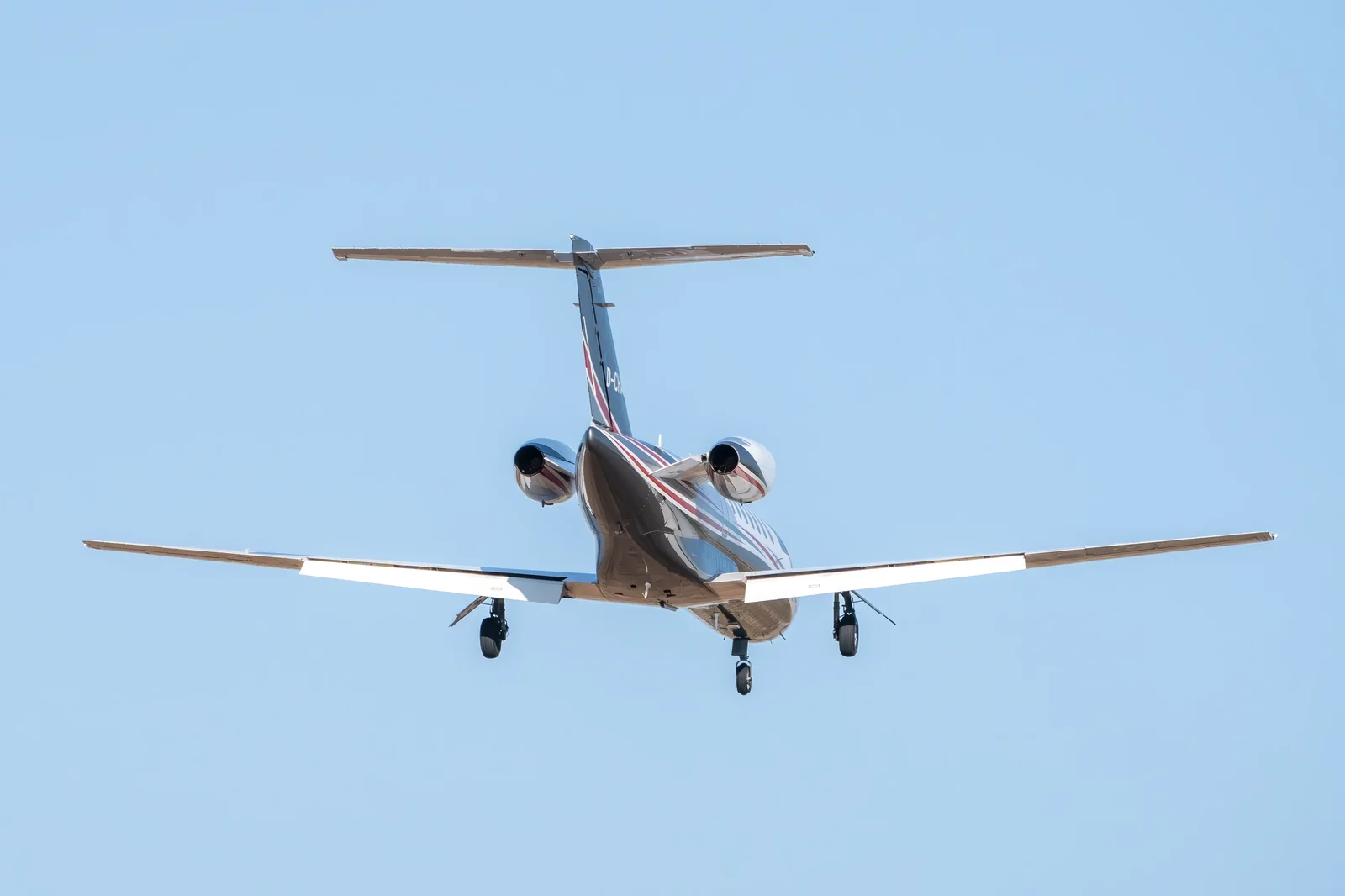
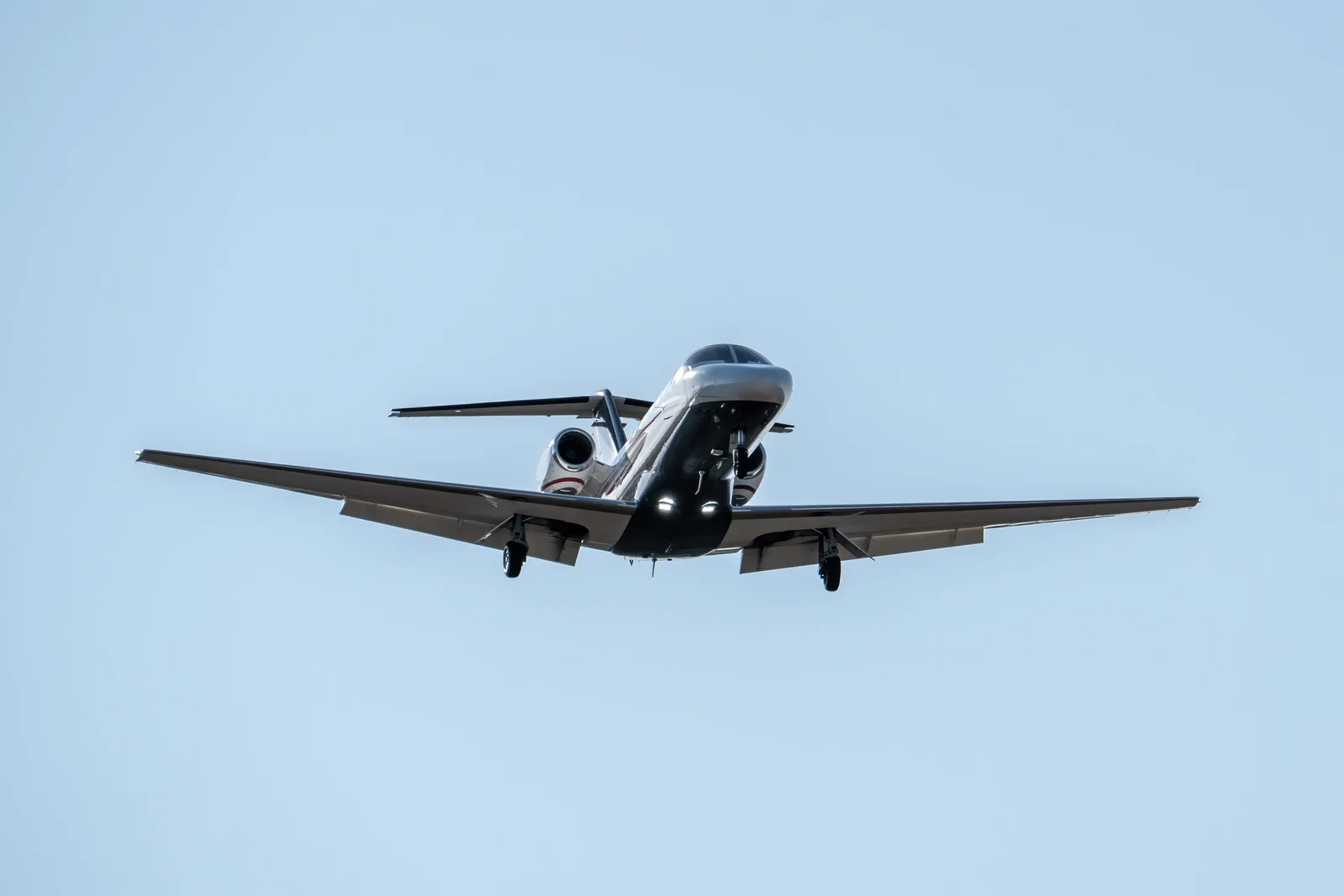
    A midsize private jet on final approach against a clear sky, the kind of short hop that shapes a 2 hour private jet flight cost quote.

    The cleanest public all-in hourly table published in November 2026 comes from Stratos Jets, which says it includes the aircraft, crew, fuel, repositioning, the 7.5% U.S. federal excise tax, segment fees, and standard landing and handling in its retail estimates. De-icing and catering are extra when needed. Its all-in hourly bands:

    Aircraft categoryTypical passengers (guide)All-in hourly estimate (Stratos, Nov 2026)
    TurbopropUp to 8$5,946–$7,268
    Very light jet2–4$5,648–$6,903
    Light jet3–6$7,622–$9,316
    Super light jet3–8$7,740–$9,460
    Midsize jet6–8$8,300–$10,144
    Super-midsize jetUp to 9$9,684–$11,836
    Heavy jetUp to 13$12,318–$15,056
    Ultra-long-range jetUp to 14$18,744–$22,910

    If you simply multiply those light-jet and midsize bands by two hours, you get a rough $15,200–$18,600 for a light jet and $16,600–$20,300 for a midsize jet, before any extra charges that are not in the model. That arithmetic is a starting point, not a quote. A trip that triggers a minimum, a positioner, peak-event demand, or a more expensive airport can land higher. A well-placed aircraft on a quiet day can land lower.

    Other brokers publish route prices rather than a single hourly menu. Elevate Jet, also updating figures in November 2026, lists example one-way starting prices such as Boston–New York on a turboprop from about $7,275 (under an hour in the air) and Atlanta–New York on a light jet from about $15,779 (about 1.6 hours). Those examples show how a trip shorter than two hours can still price in the mid-teens once minimums and routing are included.

    European figures are a different market. Reporting in November 2026 that cited broker Fast Private Jet put typical European hourly rates around €2,800–€4,200 for light jets, €4,200–€6,500 for midsize jets, and €8,000–€13,000 or more for heavy jets, with turboprops and very light jets often lower. A two-hour European light-jet sector at those rates would land in a different currency band than a U.S. all-in quote and is not directly interchangeable.

    A two-hour trip is still priced per aircraft
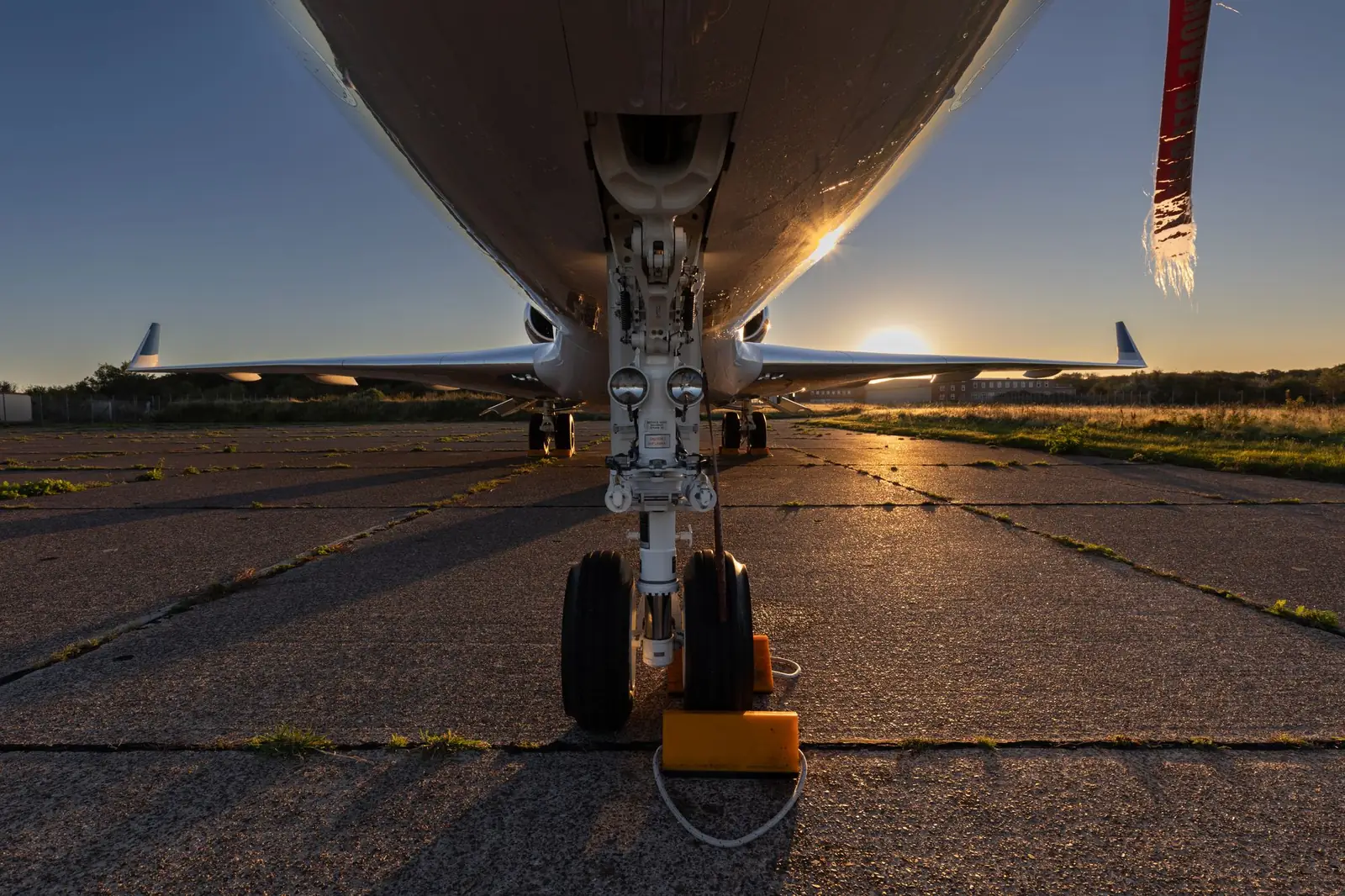
    Close-up of a private jet's nose landing gear on the tarmac at sunset, a reminder that a 2 hour private jet flight cost covers the whole aircraft, not a seat.

    Charter is not a per-seat fare. Whether one passenger flies or the cabin is full, the aircraft price is the same (unless you are buying a different product, such as a shared-seat program). Filling six seats on a $18,000 light-jet bill is simply a way to think about the trip, not a change in how the operator invoices you.

    That is why two hours in a very light jet for a couple can be a sensible match, while a team of eight with ski bags may need a midsize cabin and a higher two-hour total. Cabin choice is usually driven by passenger count, baggage, range, and runway length — not by trying to make the hourly rate look smaller.

    What pushes a two-hour quote up or down

    Several line items show up again and again in charter pricing explainers:

    • Positioning. If the jet has to fly empty to reach you, you may pay for that time. Empty-leg inventory is the flip side of this problem: sometimes someone else has already paid to place the aircraft where you need it.
    • Airport and handling fees. Busy or high-cost airports, and some private aviation terminals, are more expensive than quieter reliever fields.
    • Peak dates. Holidays, major sports events, and popular weekend city pairs tighten supply.
    • One-way versus round trip. Keeping the same aircraft for a return can be priced more efficiently than two unrelated one-ways, but a multi-day wait can add crew overnight costs.
    • Optional extras. Catering, de-icing, ground transport, and international handling are often excluded from the headline rate.
    • Taxes. On many U.S. domestic charters, a 7.5% federal excise tax applies. Confirm whether a “from” price already includes it. Stratos says its November 2026 all-in figures do; many older “base hourly” tables do not.

    JetLevel, publishing all-in figures from its own quote data, has also shown that very short trips (under 200 nautical miles) still carry substantial medians — for example a light-jet median around $10,289 one way in that distance band — because minimums and fees dominate when the flight itself is brief. A two-hour trip is longer than that band, but the same logic applies at the short end of the scale.

    How to get a number you can trust

    When you request a quote, provide the date and time window, origin and destination airports (plus acceptable alternates), passenger count, baggage, pets, and whether you need the aircraft held for a return. Ask for:

    1. The aircraft category and example make/model.
    2. Estimated block time versus airborne time.
    3. Whether a daily minimum applies.
    4. An all-in total, with tax, landing, handling, and positioning listed.
    5. Validity of the quote and cancellation terms.

    If two hours is only an estimate, ask what happens if winds or a longer taxi push the block over the next tenth of an hour. And if a quote looks far below published bands for that cabin, confirm that it is not an empty-leg or a smaller aircraft than you expected.

    Frequently Asked Questions

    Is a two-hour private jet flight about $10,000?

    Sometimes a smaller aircraft on a simple routing can come in near the low teens, and a very short hop can be in a similar neighborhood because of daily minimums. It is not a reliable rule. Midsize and larger cabins, busy airports, and positioning can push a two-hour-style trip well into the $20,000s or higher. Use a written all-in quote.

    Why can a one-hour flight cost almost as much as a two-hour flight?

    Because operators often bill a daily minimum and still have to position the aircraft, pay the crew, and cover landing and handling. Those costs do not shrink in proportion to cruise time. Stratos’s Los Angeles–Las Vegas versus Chicago–New York examples in 2026 are a clear illustration.

    Does the price change if I bring more passengers?

    Not usually, as long as everyone fits the aircraft’s certified seating and weight limits. You are paying for the jet. If you add people or bags beyond that aircraft’s limits, you need a larger cabin — and a different price.

    Can an empty leg reduce the cost of a two-hour trip?

    Yes, if a repositioning flight already matches your route and time window. Brokers often describe empty-leg discounts in a wide band, commonly around 25–75% below a comparable on-demand charter, with the exact figure depending on the flight. Flexibility is required, and the leg can change if the original trip changes.

    Are these prices per person?

    No. The figures in this article are for the whole aircraft unless a source is clearly talking about a different product.

    Key takeaways

    A two-hour private jet charter is best budgeted as a whole-aircraft trip in the mid-teens of thousands of dollars and up, not as a per-person fare and not as “two times a low advertised hourly rate.” Stratos Jets’ November 2026 all-in hourly bands, and route examples such as Chicago–New York at about $14,800–$20,600, are reasonable calibration points. Confirm block time, daily minimums, positioning, taxes, and airport fees in the quote, and match the cabin to the passengers and bags you actually have.

    Request a quote

    Exclusive Jet Charter is an independent guide and does not operate or sell flights. When you are ready to request a trip quote, start on our Request a Quote page. Until a partner quote form is approved, that page will direct you to Contact.

  • What Are Empty Leg Flights and How Much Do They Cost?

    What Are Empty Leg Flights and How Much Do They Cost?

    Disclosure: Exclusive Jet Charter is an independent information and comparison guide. We may earn a commission if you request a quote or book through our partner links, at no extra cost to you. We do not operate aircraft or sell flights. Read our affiliate disclosure.

    An empty leg is a one-way private jet flight that is already scheduled to fly with no passengers — usually because the aircraft has to reposition after a charter or to pick up its next trip. If that movement happens to match your route and timing, you can often buy the whole aircraft at a discount to a comparable on-demand charter.

    That discount is the attraction. The catch is flexibility. The aircraft, departure window, and routing belong to the operator’s existing schedule first. If the original booking changes, the empty leg can move or disappear. This guide explains how empty leg flights work, what they typically cost, who they suit, and how to evaluate one without treating a listing price as a guaranteed fare.

    What an empty leg actually is

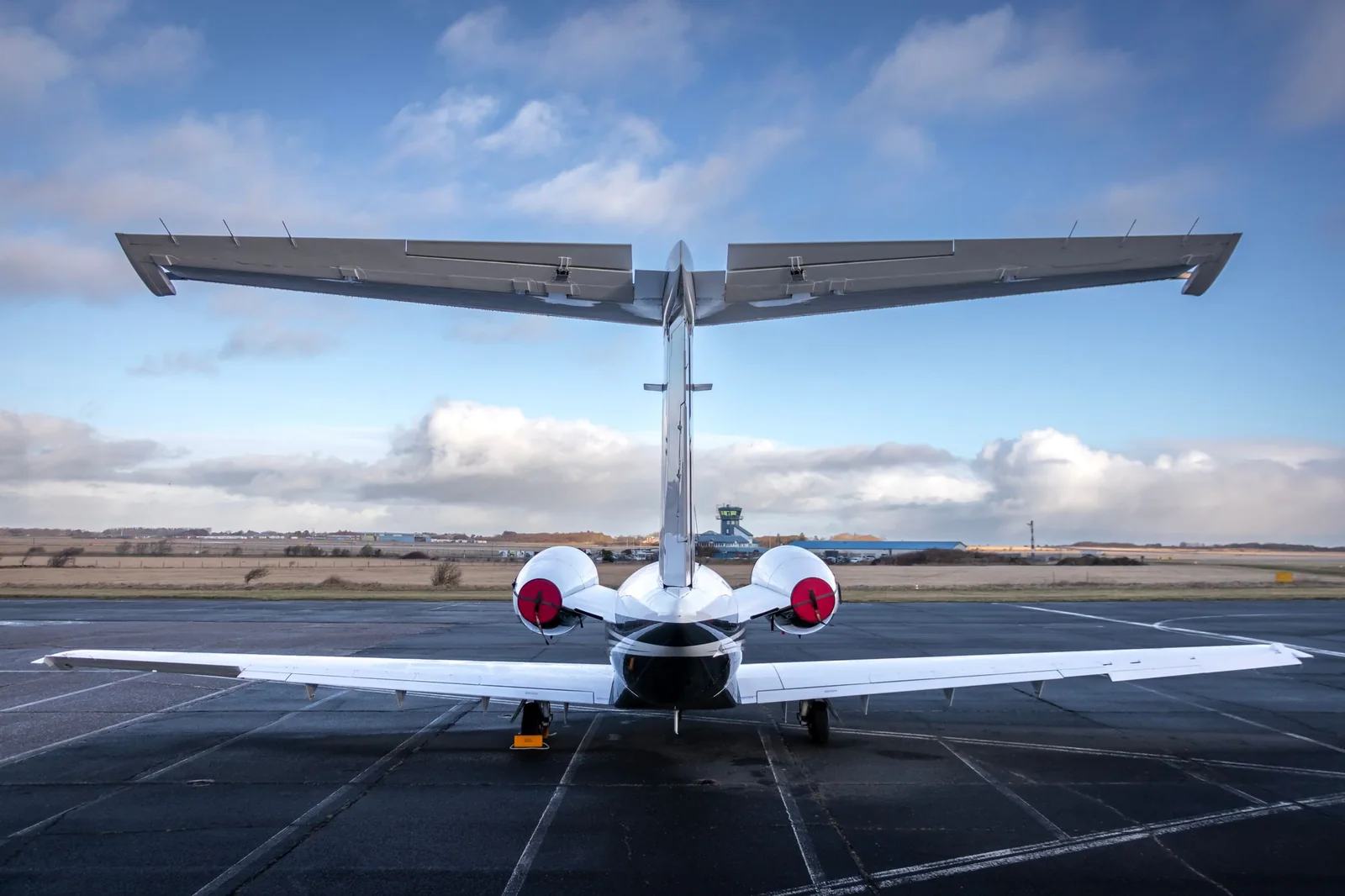
    Rear view of a private jet parked on the tarmac with engine covers in place, waiting between trips as empty leg flights often do.

    Private jets do not live at every airport. After a one-way charter — say, a midsize jet from Teterboro to West Palm Beach — the operator may need that aircraft back at its base, or in another city for the next client. Flying it empty still burns fuel, occupies the crew, and incurs landing and handling fees. Selling that “empty” sector, even at a reduced rate, is better than flying it for nothing.

    You are not buying a single seat on a scheduled airline. In almost every standard empty-leg offering, you charter the entire cabin, just as you would on a regular on-demand trip. The difference is that you are matching a flight the operator already intends to make, rather than asking them to place an aircraft around your itinerary.

    Brokers and marketplaces sometimes also talk about a rerouted empty leg: the aircraft can make a short extra stop, or divert slightly, to pick you up or drop you off. That is usually priced above a perfect-match empty leg and below a full on-demand charter, because the operator is adding fuel, time, and fees.

    Why empty legs are cheaper

    The original charter has already justified moving the aircraft. The empty-leg buyer is filling a sector that was going to fly anyway. Operators therefore discount these flights, often sharply, to recover some of the cost.

    Public guidance from brokers and marketplaces is fairly consistent on the range, if not on any single percentage:

    • CharterBlast describes typical empty-leg pricing as about 25% to 75% below standard charter rates, with the spread depending on route demand, aircraft type, and timing.
    • Prime Jet Services describes discounts of about 30–75%, and has cited a quarterly “Empty-Leg Savings Index” averaging around 40% across classes, and over 50% on light jets, in its public marketing.
    • Fast Private Jet has been cited as saying savings can reach as much as 75%; Villiers has been cited around 50%. Those figures are industry commentary, not a guarantee on your dates.
    • EmptyJet has said some live listings can appear as much as 81% below an estimated comparable charter rate, while warning that the comparison is indicative until the operator confirms.

    Treat every listing as a starting point. The confirmed price can change with fuel, airport fees, a longer taxi, a departure-time shift, or a last-minute substitution of aircraft.

    What empty legs typically cost

    There is no single empty-leg fare, because the product is leftover capacity on specific routes. Still, published examples and ranges help with planning.

    CharterBlast has illustrated the idea with planning bands, not quotes: a short regional hop that might cost $8,000–$12,000 as a standard charter could be offered in the $3,000–$6,000 range as an empty leg; a mid-range trip such as New York to Florida might fall from $20,000–$35,000 to $8,000–$18,000; a longer trip on a larger jet that might be $60,000 on-demand could be listed around $25,000–$40,000. Those are examples of how the discount can look, not current inventory.

    On the on-demand side, so you can judge a “deal” against something real, Stratos Jets’ November 2026 all-in retail estimates put private jet charter at about $5,600 to $22,900 per flight hour depending on cabin size. A short hop such as Los Angeles to Las Vegas is listed at about $10,500–$14,600 one way in a light jet. A New York–Miami one-way, per Paramount Business Jets (figures it said were verified in August 2026), often falls around $17,000–$27,000 depending on aircraft class.

    LunaJets, reporting on its 2025 bookings, has said empty-leg opportunities can start around €2,000 per hour, compared with typical all-inclusive hourly charter rates in its data from about €3,500 for turboprops up to €16,100 for long-range jets. Currency, routing, and the year of the dataset all matter; use the comparison as context, not as a U.S. quote.

    Whatever the listing says, the invoice is almost always for the whole aircraft, not a per-seat fare. Dividing the price by the number of seats is a useful way to think about a full cabin, but you still pay the full amount if only two people fly.

    The trade-offs you should expect

    Empty legs are a poor fit if your meeting time is immovable or if you need a guaranteed round trip on your schedule. They work best when the destination matters more than the exact hour, and when you can move to a nearby airport or fly a day earlier or later.

    Common constraints:

    • Schedule risk. If the original charter is delayed, retimed, or cancelled, the empty leg can change or vanish, sometimes at short notice.
    • One-way logic. The discounted flight is usually one direction. Getting home may require a full on-demand charter, a commercial ticket, or a second empty leg that may not exist.
    • Airport pairing. You may depart or arrive at a reliever airport (for example Teterboro rather than JFK, or Opa-locka rather than Miami International). That is often a benefit, but only if ground transport still works for you.
    • Aircraft choice. You get the cabin that is already moving, not necessarily the cabin you would have picked for baggage, pets, or a long-range comfort requirement.
    • Confirmation, not a screenshot. A marketplace listing is not a booked flight. The operator still has to confirm the aircraft, crew duty times, slots, and final price.

    How to shop for an empty leg without getting surprised

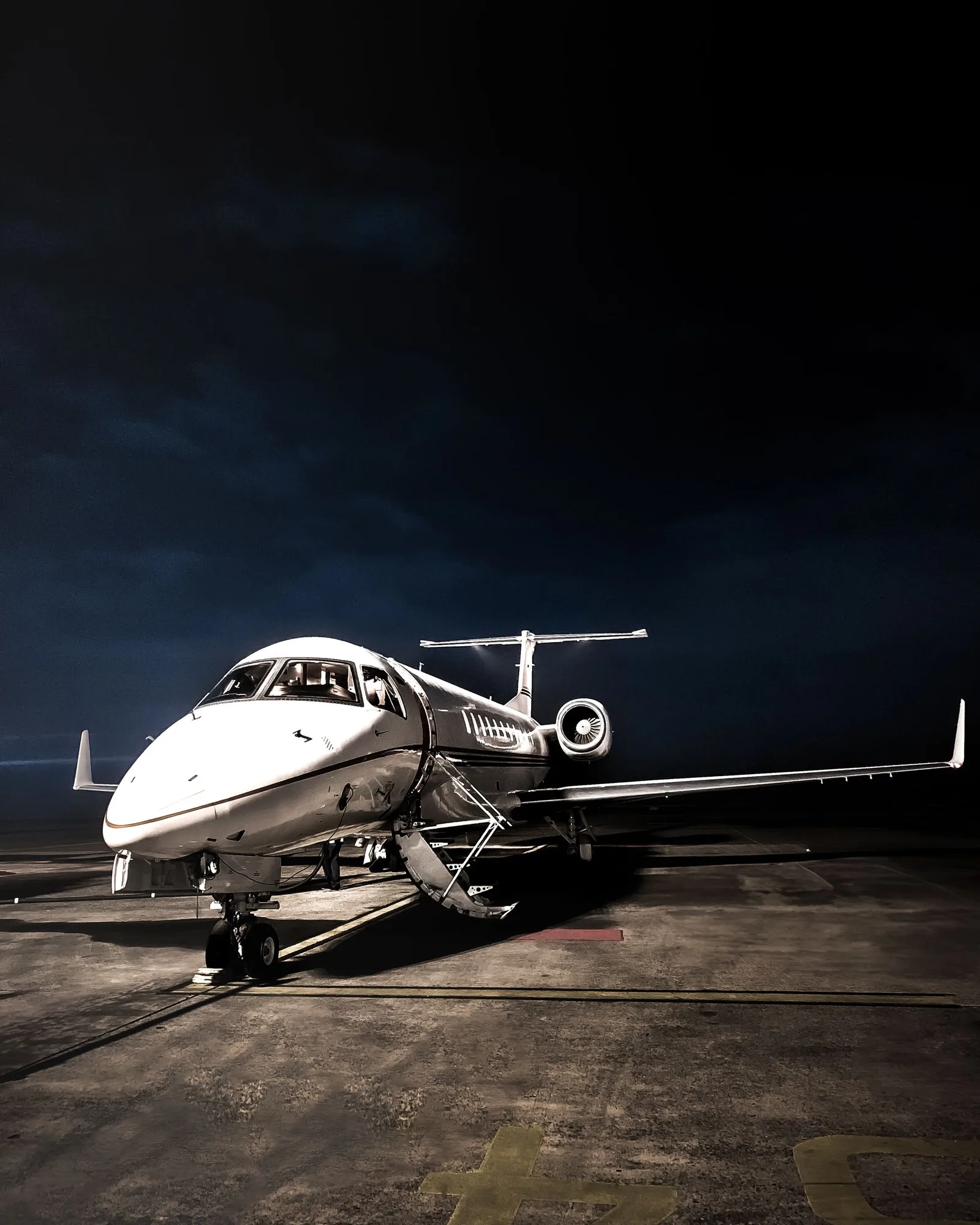
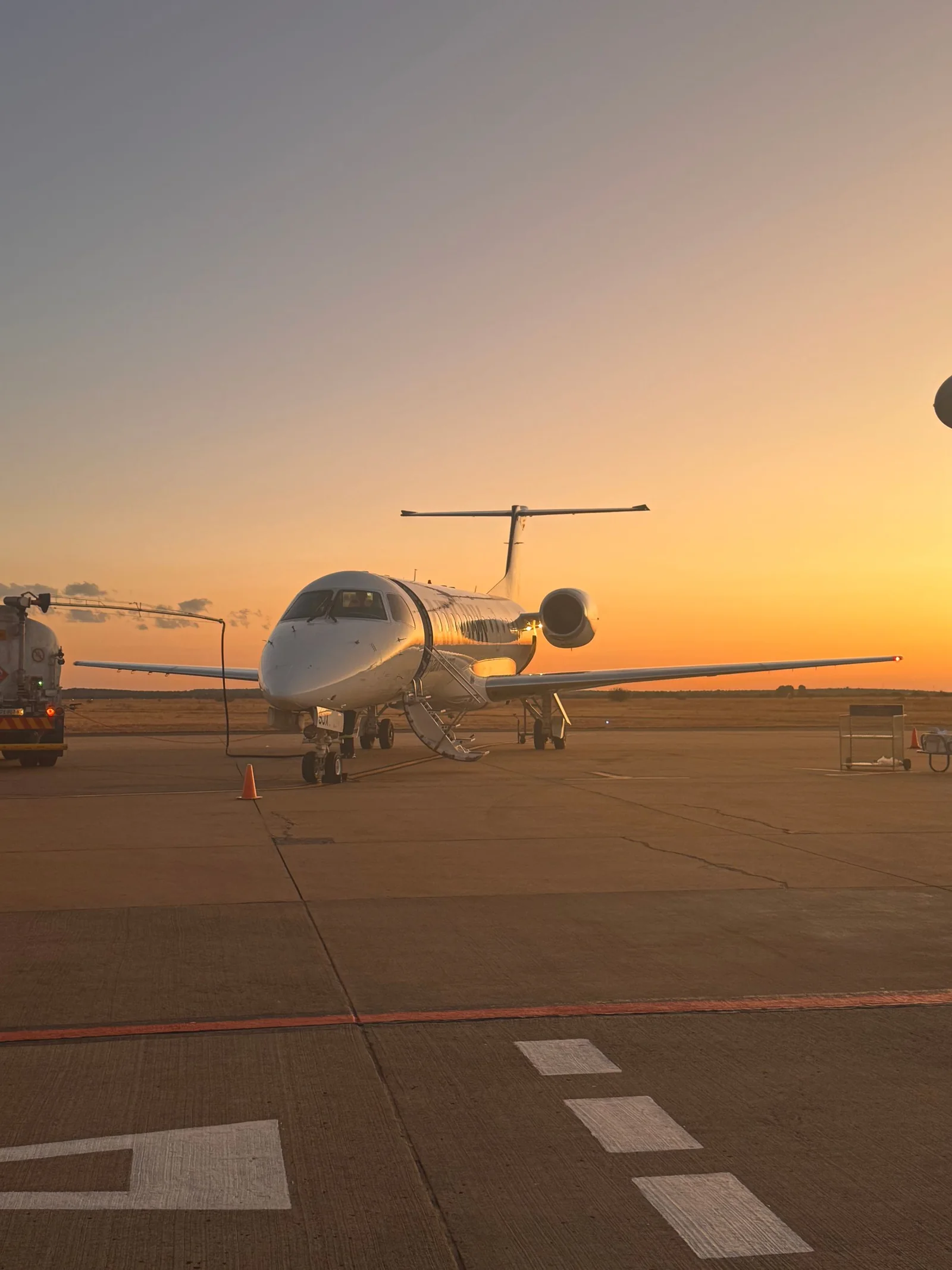
    A midsize private jet with the cabin stairs down on the tarmac at sunset, ready for passengers shopping empty leg flights.

    Start with the same information you would provide for any charter: names and passenger count, preferred date window, origin and destination (plus acceptable alternate airports), baggage, pets, and any need for accessible cabin arrangements. Then add one more requirement: how much timing flexibility you actually have, in hours and in days.

    When you compare a listing with a regular charter, ask for an all-in number that includes crew, fuel, landing and handling, and — on U.S. domestic flights — the 7.5% federal excise tax when it applies. A low “from” price that later grows by positioning or airport fees is not a savings story.

    It also helps to know what you would pay for the same trip as a standard charter. If a light-jet empty leg from Los Angeles toward Las Vegas is only a few thousand dollars below the $10,500–$14,600 one-way band Stratos has published for that route, the reduced flexibility may not be worth it. If the gap is closer to the 40–75% range brokers often describe, and you can live with the schedule risk, the math is clearer.

    Book with enough time to receive written terms: cancellation, aircraft substitution, and what happens if the original trip changes. For last-minute legs, have travel documents and payment ready; these flights can be confirmed and then depart the same day.

    Who empty legs are (and are not) for

    Empty legs tend to suit leisure travelers, small groups that can shift a weekend, or anyone already willing to fly one way privately and return commercially. They can also work for a company that can treat a published repositioning flight as a bonus, not as the only way to make a meeting.

    They are usually the wrong tool for tight connections, medical or legal deadlines, or complex multi-city itineraries. In those cases, an on-demand charter — priced as a dedicated aircraft for your itinerary — is the more honest product, even though it costs more. A jet card or membership is a different product again: you prepay for access and more predictable availability, which is the opposite of shopping leftover capacity.

    Frequently Asked Questions

    Are empty leg flights safe?

    A legitimate empty leg is operated by the same kind of certificated charter operator, aircraft, and crew as a regular charter on that airplane. The discount comes from the aircraft already needing to move, not from a lower safety standard. You should still confirm the operator’s legal name, aircraft registration, and, where relevant, third-party audit ratings such as ARGUS or Wyvern before you pay.

    Can I buy just one seat on an empty leg?

    Usually no. Most empty legs are whole-aircraft charters. Some separate products sell individual seats on shared or semi-private flights; those are not the same thing as a classic empty leg and should be contracted as such.

    Why did an empty leg I wanted disappear?

    Because it exists only as long as the original trip and the operator’s plan stay in place. A time change, a different outbound destination, a maintenance event, or another buyer taking the leg can remove it from inventory.

    Do empty legs work for a round trip?

    Sometimes you can find legs in both directions, but you should not count on it. Price the return as a regular charter or a commercial flight unless a second empty leg is actually confirmed.

    How far in advance should I look?

    Both. Some legs appear days or weeks ahead as soon as the outbound charter is booked; others show up at short notice. If you can be flexible and can depart quickly, you will see more options. If your dates are fixed, search early and be ready to switch to on-demand charter.

    Key takeaways

    Empty leg flights can be one of the more realistic ways to pay less for private air travel, with publicly discussed discounts often in the 25–75% range versus a comparable on-demand charter. The flight is still a whole-aircraft charter, not a cheap airline seat, and the schedule is not yours to dictate. Compare any listing with current on-demand ranges for the same route, insist on an all-in confirmed price, and have a backup if the aircraft’s original trip changes.

    Request a quote

    Exclusive Jet Charter is an independent guide and does not operate or sell flights. When you are ready to request a trip quote, start on our Request a Quote page. Until a partner quote form is approved, that page will direct you to Contact.
  • Affordable Luxury Private Jet Charters

    Affordable Luxury Private Jet Charters

    Your Guide to High-End Travel on a Budget

    As a seasoned private aviation consultant with over two decades in the industry, I’ve seen firsthand the dramatic evolution of private jet travel. The days when this mode of transportation was exclusively reserved for billionaires and Fortune 500 CEOs are long gone.

    I vividly recall my first encounter with a budget-friendly private flight. Skepticism coursed through my veins as I approached the sleek Cessna Citation CJ3.

    How could such an opulent experience be made affordable without compromising on quality or safety?

    Yet, as I settled into the plush leather seat, sipped on crisp champagne, and experienced the impeccable service, I realized that the private aviation landscape had indeed transformed.

    While we’re not discussing prices that rival commercial economy class, with some insider knowledge and strategic planning, you can potentially indulge in the luxury of private jet travel without decimating your savings account. Let’s explore how you can navigate this seemingly exclusive world to fit your budget.


    Understanding the Affordable Private Jet Landscape

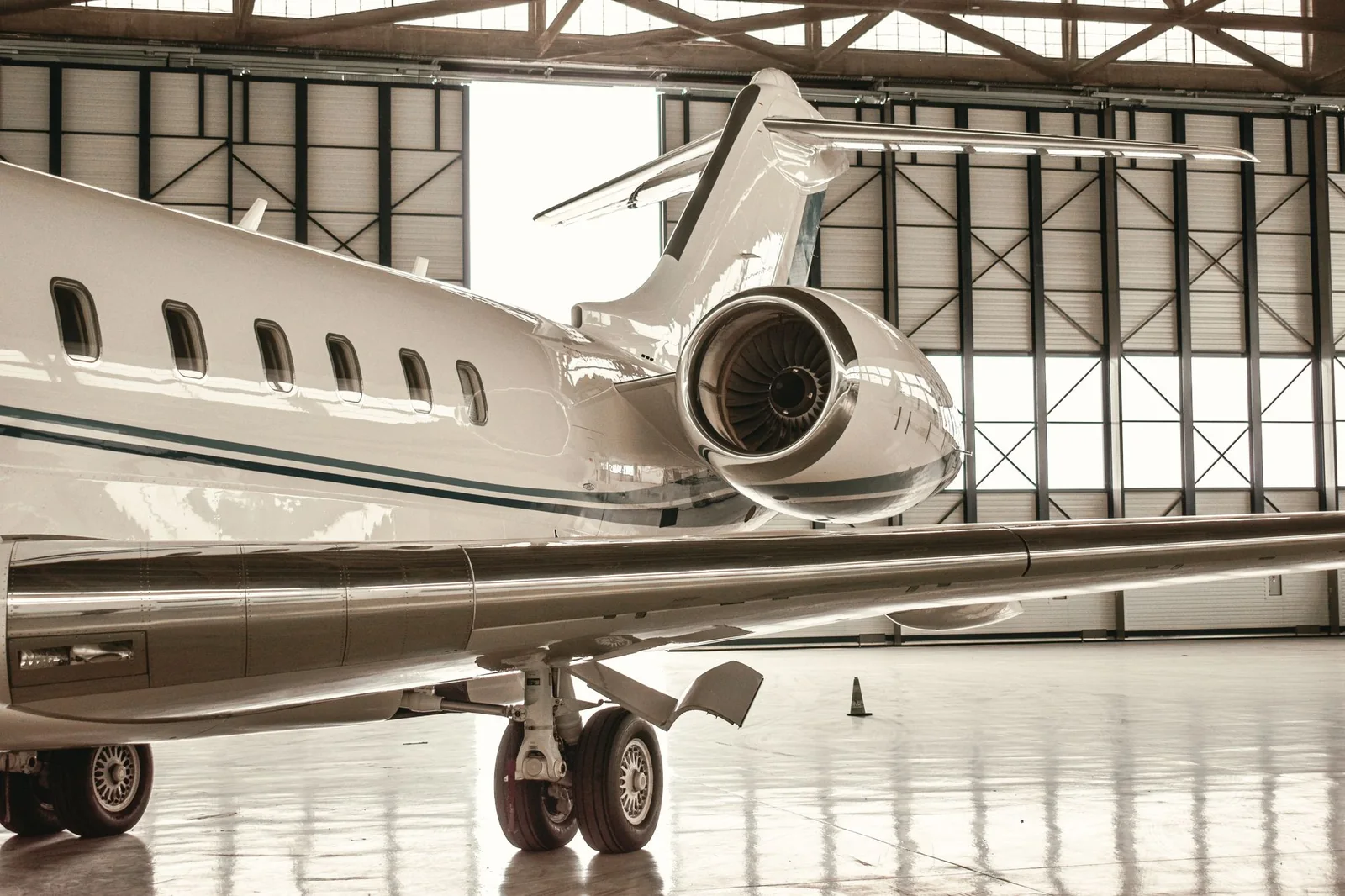
    Close view of a private jet's fuselage, engine, and wing inside a hangar, a typical aircraft behind an affordable private jet charter quote.

    The concept of affordable luxury in private aviation stems from significant industry shifts. One of the primary drivers of this change is the emergence of empty leg flights, also known as repositioning flights.

    These are trips that would otherwise fly without passengers, typically when a jet needs to return to it’s base after dropping off clients at their destination.

    Operators often offer these flights at steep discounts – sometimes as much as 75% off regular charter prices – to recoup some of their operational costs. For instance, if a jet drops off passengers in New York and needs to return to it’s base in Los Angeles, that return flight would be an empty leg.

    If you’re flexible with your travel dates and destinations, you can take advantage of these deals for a fraction of the usual price.


    Jet Card Programs: Predictability Meets Flexibility

    Jet card programs have revolutionized how frequent flyers access private jets. These programs function similarly to a debit card for private flights.

    You purchase a set number of flight hours or deposit a certain amount into your account.

    When you want to fly, you simply remove from your balance.

    One of the key advantages of jet card programs is that they often come with fixed hourly rates. This predictability can be particularly useful when demand (and therefore prices) spike during peak travel times.

    Additionally, many jet card providers offer guaranteed availability, ensuring you’ll have access to a jet even during busy periods.

    For example, let’s say you purchase a 25-hour jet card from a reputable provider. You might pay a fixed rate of $5,000 per hour for a light jet.

    This means you know exactly what your costs will be, regardless of whether you’re flying during a holiday weekend or a quiet Tuesday in February.

    This predictability allows for better budgeting and can often result in savings during high-demand periods when standard charter rates might skyrocket.


    Fractional Ownership: A Slice of the Sky

    Fractional ownership in private aviation is akin to a timeshare for jets. You purchase a share of an aircraft, which entitles you to a certain number of flight hours per year.

    This model, pioneered by NetJets in 1986, has made private jet ownership more attainable for many.

    While still a significant investment, fractional ownership can be more cost-effective than full ownership for those who fly between 50 and 400 hours per year. It provides the benefits of ownership without the full financial burden and operational responsibilities.

    Here’s how it typically works: You might purchase a 1/16th share in a jet, which usually equates to 50 hours of flight time per year. You pay an initial acquisition cost for your share, plus monthly management fees and hourly operating costs when you fly.

    While the upfront cost can be substantial, it’s significantly less than purchasing an entire aircraft. Plus, you don’t have to worry about maintenance, crew salaries, or finding hangar space – the fractional ownership company handles all of that for you.


    Implementing Your Affordable Private Jet Strategy

    Now that we’ve covered the key concepts, let’s walk through how you can put this knowledge into practice:

    1. Identify Your Travel Patterns

    Start by analyzing your travel needs. How often do you fly? What are your typical routes?

    Are your travel dates flexible?

    This information will help you choose the most cost-effective option.

    For instance, if you often fly between major cities on short notice, a jet card program might be your best bet. If you have more flexibility in your schedule and destinations, empty leg flights could offer significant savings.

    1. Explore Empty Leg Opportunities

    Sign up for alerts from charter companies or use apps that aggregate empty leg flights. Be prepared to book quickly, as these deals often don’t last long.

    I once snagged an empty leg flight from Miami to New York for less than $3,000 – a trip that would typically cost upwards of $15,000. The catch?

    I had to be ready to fly within 48 hours.

    For those with flexible schedules, these opportunities can provide incredible value.

    1. Compare Jet Card Programs

    If you fly often, research different jet card programs. Compare their hourly rates, peak day surcharges, and any extra fees.

    Look for programs that align with your typical flight patterns.

    Some programs offer better rates for shorter flights, while others might have advantages for cross-country trips. Pay attention to details like fuel surcharges, de-icing fees, and catering costs, as these can add up quickly.

    1. Consider Fractional Ownership

    For very frequent flyers, crunch the numbers on fractional ownership. Factor in not just the purchase price, and monthly management fees and hourly operating costs.

    Fractional ownership can be particularly useful if you often fly with family or business associates, as it allows you to choose larger aircraft that can accommodate groups comfortably.

    1. Utilize Charter Brokers

    Experienced charter brokers can often negotiate better rates and find deals that aren’t publicly advertised. They can also confirm you’re matched with the most cost-effective aircraft for your needs.

    A good broker will take the time to understand your travel patterns and preferences, then leverage their industry relationships to secure the best possible rates. They can also help you navigate the complexities of different programs and ownership options.

    1. Be Flexible with Aircraft Types

    Smaller jets or turboprops are generally more affordable than larger aircraft. If you’re flying short distances or with a small group, opting for a light jet can significantly reduce costs.

    For example, a flight from Chicago to New York might cost $12,000 in a light jet versus $18,000 in a midsize jet. If you don’t need the extra space, choosing the smaller aircraft can lead to substantial savings over time.

    1. Look for Membership Programs

    Some operators offer membership models with fixed hourly rates and other perks. These can provide good value if they match your flying habits.

    For instance, you might pay an annual fee of $10,000 to access fixed hourly rates that are 10-20% below market rates. If you fly often, the savings can quickly outweigh the membership cost.

  • Understanding Private Jet Charter Costs: A Comprehensive Guide

    Understanding Private Jet Charter Costs: A Comprehensive Guide

    The Allure of Private Aviation

    Private jet travel exudes an undeniable appeal. The luxury, convenience, and exclusivity make passengers feel like true VIPs.

    As someone with years of experience in the industry, I aim to provide an insider’s perspective on the real costs associated with private jet charters.


    Breaking Down the Basics

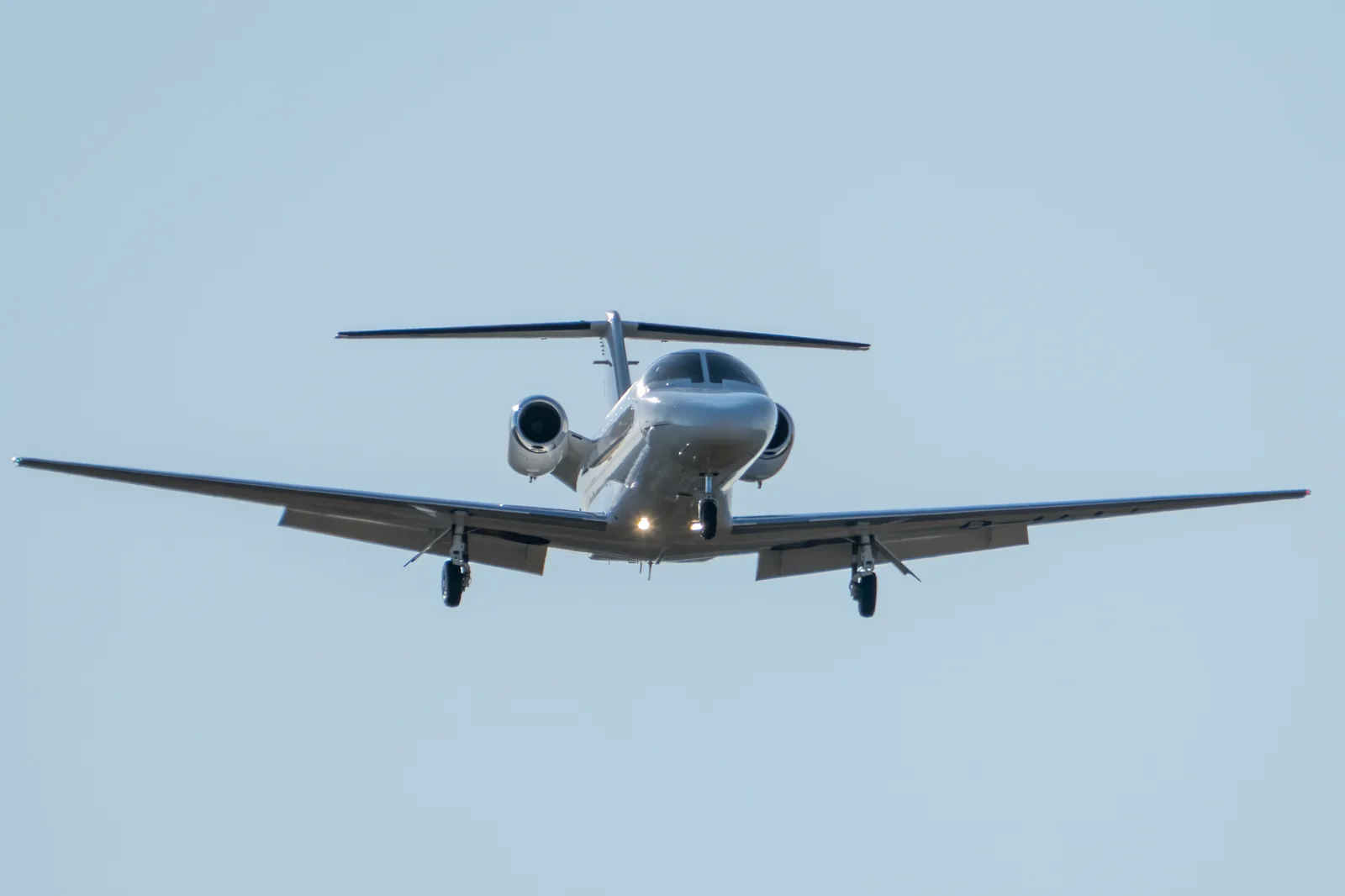
    A midsize private jet on approach, the kind of aircraft whose hourly rate sits in the middle of a private jet charter cost range.

    Private jet charter costs vary significantly based on many factors. Private jets come in various sizes and configurations, each with it’s own price point.

    Light Jets

    Light jets, such as the popular Cessna Citation CJ3, are ideal for short trips and typically accommodate 6-8 passengers. These entry-level options usually have hourly rates starting at approximately $2,500 to $3,000.

    Light jets offer an excellent balance of efficiency and comfort for regional travel.

    Midsize Jets

    Midsize jets like the Hawker 800XP provide more space and range, comfortably seating 8-10 passengers. Expect hourly rates in the $4,000 to $6,000 range.

    These aircraft are well-suited for longer domestic flights or short international trips.

    Heavy Jets

    For long-haul flights or larger groups, heavy jets like the Gulfstream G550 are the go-to choice. These flying penthouses can seat up to 19 passengers and come with a higher price tag – typically $8,000 to $13,000 per hour.

    Heavy jets offer luxurious amenities and the ability to cross continents without refueling.

    Ultra-Long-Range Jets

    The pinnacle of private aviation, ultra-long-range jets like the Bombardier Global 7500, can fly non-stop from New York to Hong Kong. These aircraft boast unparalleled comfort and range but command hourly rates exceeding $15,000.

    They’re designed for globe-trotting executives and high-net-worth people who need the ultimate in luxury and performance.


    Distance and Duration: The Long and Short of It

    Flight distance and duration significantly impact charter costs, but not always in the way you might expect.

    A short hop from New York to Boston might seem less expensive than a cross-country flight to Los Angeles. However, the per-hour cost for that short flight could actually be higher.

    This counterintuitive pricing occurs because fixed costs (like crew salaries and airport fees) are spread over fewer flight hours on shorter trips.

    Conversely, longer flights can offer better value for money, as those fixed costs are distributed over more hours. Many operators also provide discounted rates for round-trip flights or multi-leg journeys, making extended travel more cost-effective.


    Timing is Everything: Seasonal Fluctuations and Peak Periods

    Private jet charter costs fluctuate based on demand, similar to commercial airlines. Holiday periods, major sporting events, and popular business conference dates can drive up prices significantly.

    Booking a jet to Augusta, Georgia during the Masters golf tournament often incurs a premium. The same applies to flights to the French Riviera during the Cannes Film Festival or to Park City during the Sundance Film Festival.

    These high-demand periods can see charter costs increase by as much as 20-30% or more.

    However, flexibility in travel dates can lead to substantial savings. Some operators offer last-minute “empty leg” flights at steep discounts – these are repositioning flights that would otherwise fly without passengers.

    Savvy travelers can save up to 75% on these flights, though they need flexibility and quick decision-making.


    The Hidden Costs: Fees, Surcharges, and Extras

    The base hourly rate is just the beginning when it comes to private jet charter costs. Several additional expenses can significantly impact your final bill.

    Fuel Surcharges

    Fuel surcharges are a common and often substantial additional cost. With the volatility of oil prices, many operators add a separate fuel fee to protect themselves from sudden spikes in fuel costs.

    These surcharges can add around 10-20% to your total charter cost.

    Landing Fees and Airport Taxes

    Landing fees and airport taxes can quickly add up, especially at busy or exclusive airports. For instance, landing at Teterboro Airport near New York City can cost over $1,000 in fees alone.

    These charges vary widely depending on the airport and can include handling fees, customs and immigration charges, and parking fees for the aircraft.

    Catering and Onboard Services

    While basic snacks and beverages are usually included in the charter price, gourmet catering or premium alcohol incurs additional charges. High-end catering can cost anywhere from $50 to $500 per person, depending on the menu and quality.

    In-Flight Connectivity

    Wi-Fi access on some aircraft comes at an extra cost. Satellite-based internet services can add $3-$8 per megabyte to your bill, which can quickly escalate for data-heavy usage like video streaming or large file transfers.

    Ground Transportation

    Many charter companies offer door-to-door service, arranging luxury cars to transport you to and from the airport. While convenient, this service typically adds $100-$500 per trip, depending on the distance and vehicle type.


    Crew Costs: The Human Factor

    The expertise of the flight crew is a crucial component of private jet charter costs. Pilot salaries, training expenses, and accommodations for overnight trips all factor into your charter price.

    For longer flights or trips spanning many days, you might need to account for crew rest time or even a replacement crew. This can add significantly to the overall cost, sometimes increasing the total by up to 10-15%.

    However, these expenses are non-negotiable – safety always takes precedence in aviation.


    The Fine Print: Insurance and Cancellation Policies

    Insurance

    When dealing with multi-million dollar aircraft, insurance is a critical consideration. Most reputable operators include insurance in their pricing, but it’s essential to understand what’s covered. Typically, this includes liability coverage for passengers and third-party damage.

    However, additional coverage for personal belongings or business equipment might need separate policies.

    Cancellation Policies

    Cancellation policies vary widely among charter operators. Some offer flexible booking options, while others impose strict cancellation fees.

    These fees can range from 10% to 100% of the total charter cost, depending on how close to the departure date you cancel.

    Understanding these terms before booking is crucial, especially if there’s a chance your plans might change.


    Membership Programs and Jet Cards: A Different Approach

    Jet Cards

    Jet cards typically need you to pre-pay for a certain number of flight hours, usually in 25-hour increments. Prices can range from $150,000 to over $400,000 for 25 hours, depending on the aircraft type and program features.

    While this represents a significant upfront investment, it can lead to savings and added convenience for those who fly often.

    Membership Programs

    Membership programs often need an annual fee plus a per-flight cost. Annual fees can range from $10,000 to $100,000 or more, depending on the program’s benefits.

    These programs can offer advantages like priority booking, fixed rates, and the ability to choose from a wider range of aircraft for each trip.


    The Bottom Line: Value vs. Cost

    Chartering a private jet undoubtedly comes with a hefty price tag. However, for many travelers, the value extends beyond luxury, encompassing time savings, privacy, and unparalleled flexibility.

    When you factor in the ability to use smaller airports closer to your final destination, time saved on security lines, and the productivity gained by being able to work or hold meetings in-flight, the cost can sometimes be justified, especially for business travelers.

    Consider a CEO who needs to visit three cities in one day for crucial meetings. Commercial flights might make this impossible, but a private jet could easily accommodate this itinerary.

    The value of closing those deals or maintaining those relationships could far outweigh the charter costs.