Disclosure: Exclusive Jet Charter is an independent information and comparison guide. We may earn a commission if you request a quote or book through our partner links, at no extra cost to you. We do not operate aircraft or sell flights. Read our affiliate disclosure.
Most first-time charter clients are choosing between a light jet and a midsize jet. The names describe cabin class, not a single airplane. Get the class right, and the trip feels uneventful in the best way: enough seats and bags, a comfortable cabin, and a nonstop flight. Get it wrong, and you either overpay for space you do not need or spend the day in a cabin that is tight, noisy, or short on range.
This comparison stays with those two classes — the ones that cover a large share of domestic U.S. charter missions — and uses published 2026 rate ranges rather than invented “average†prices.
Quick comparison
Light jet
Midsize jet
Typical passenger guide
About 6, sometimes fewer in very light jets; some “super light†cabins seat more
About 7–8, sometimes 9
Typical mission
Regional trips of roughly two to three hours
Longer regional or half-continent trips, often three to five hours
Cabin
Often a sit-down cabin; less room to stand and move
Many models offer stand-up or near stand-up headroom and a more usable aisle
Baggage
Adequate for light travelers; can be tight with sports gear or lots of roll-aboards
Meaningfully more baggage volume on most aircraft
Lavatory
Varies; some light jets are compact
More often a fully enclosed lavatory
Cost (Stratos all-in hourly, Nov 2026)
About $7,622–$9,316 (light); super-light about $7,740–$9,460
About $8,300–$10,144
Example aircraft
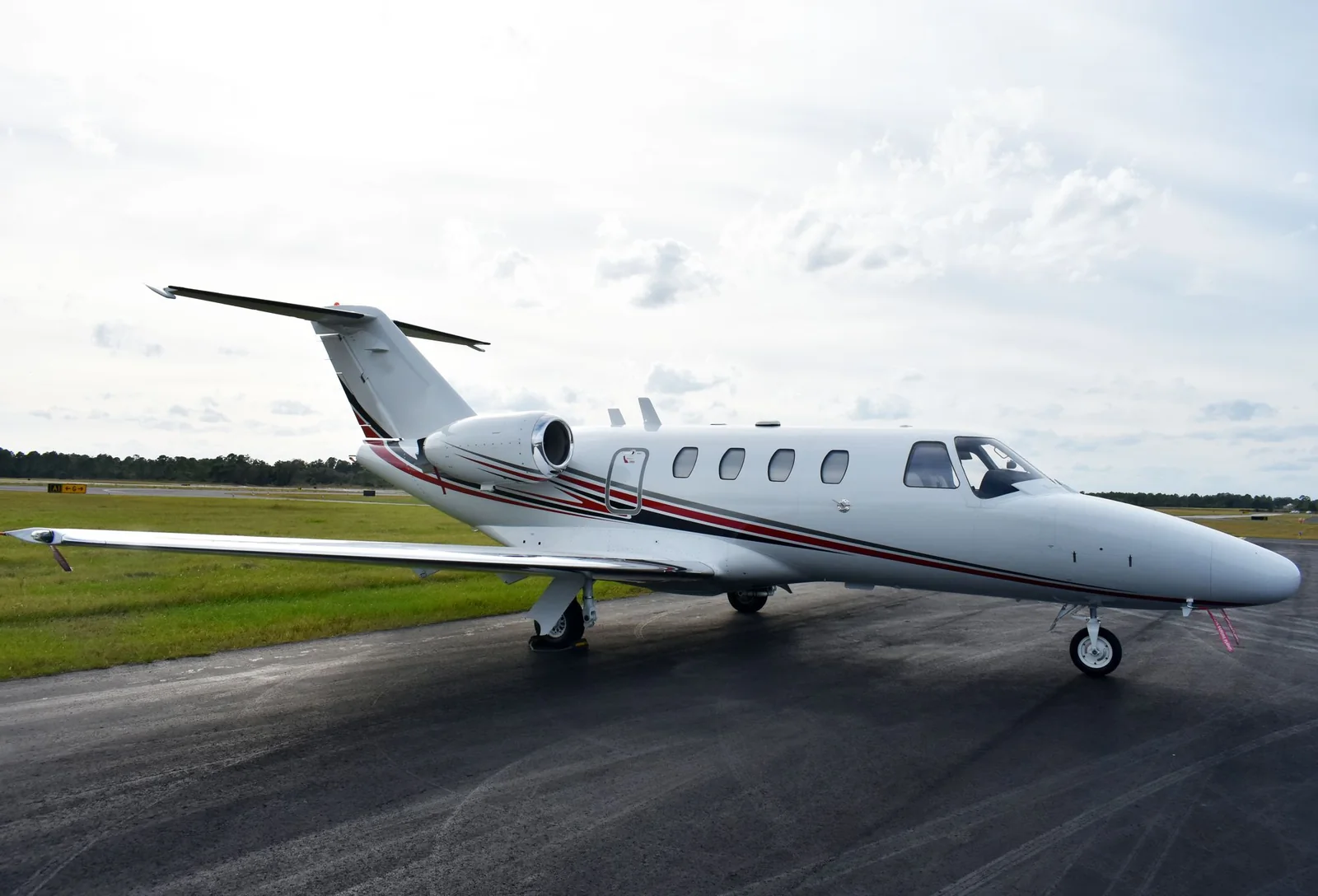
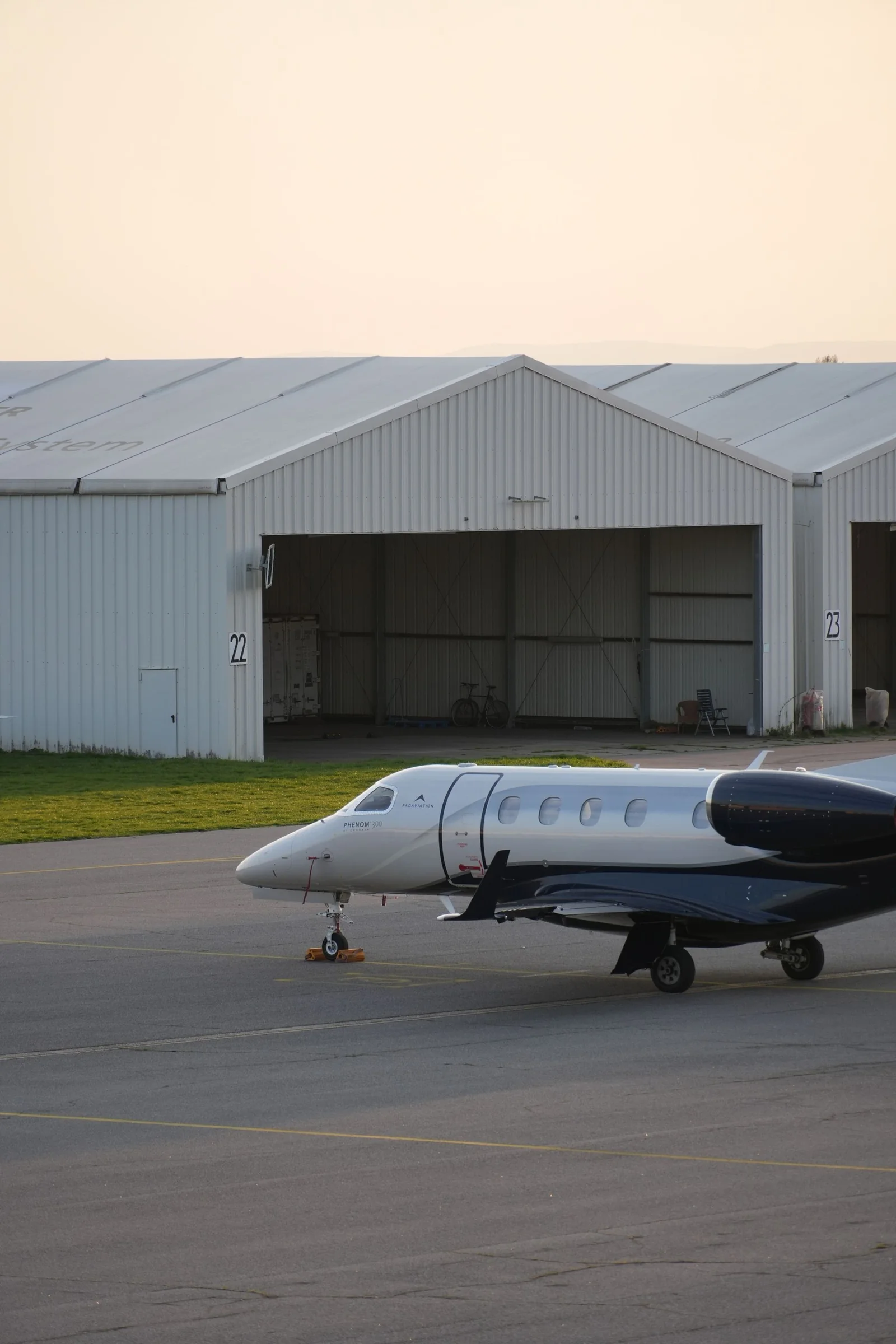
Citation CJ3, Phenom 300 (often grouped as light or super-light, depending on the broker), Learjet 70/75
Citation XLS+/Latitude, Hawker 800XP, Learjet 60
Passenger counts and ranges are typical planning guides, not certified limits. The usable payload on the day depends on the specific aircraft, fuel needed, runway, weather, and how much bags and passengers weigh.
What you get in a light jet
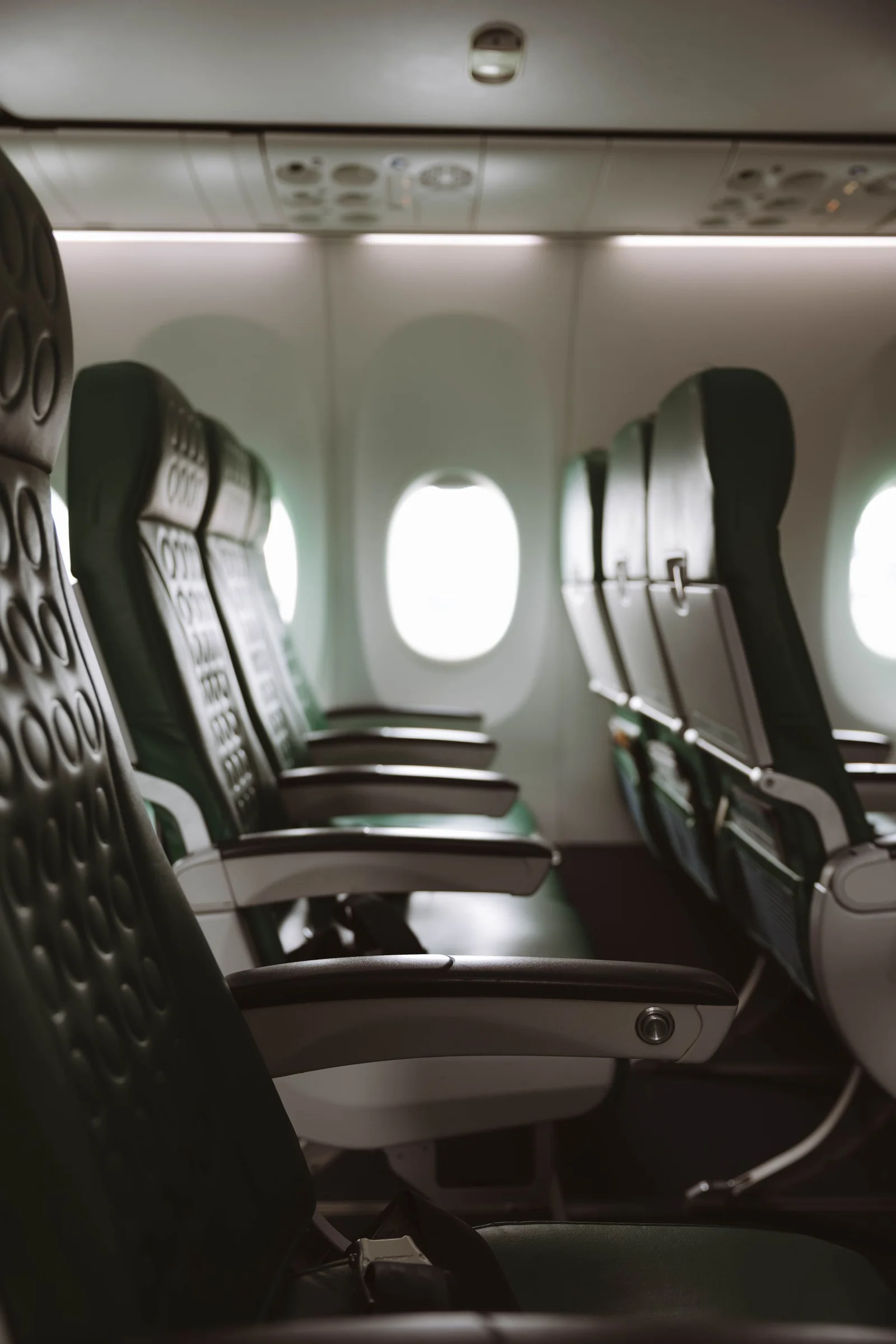
Light jets are the workhorses of shorter private trips. They are built to take a small group between cities a few hundred to around a thousand nautical miles apart, often into runways that a larger cabin cannot use as easily. For two to four travelers with modest luggage, a light jet is frequently the most efficient cabin: enough speed for regional missions, lower fuel burn than a midsize jet, and a lower charter rate.
The trade-offs are space and endurance. Many light-jet cabins are not full stand-up. That is fine for a 90-minute hop. It is more noticeable on a three-hour flight if you want to work, change, or move around. Baggage bays can fill up quickly with golf bags, camera cases, or winter gear. And if the route is long, a light jet may need a fuel stop that a midsize jet can skip — which can erase both the time advantage and some of the cost advantage.
Brokers do not always draw the line in the same place. The Embraer Phenom 300, for example, is often sold as a “super light†jet: light-jet economics with more cabin and range than the smallest light jets. When you compare quotes, look at the actual model, seating, and whether the flight is planned nonstop, not only at the class label.
What you get in a midsize jet
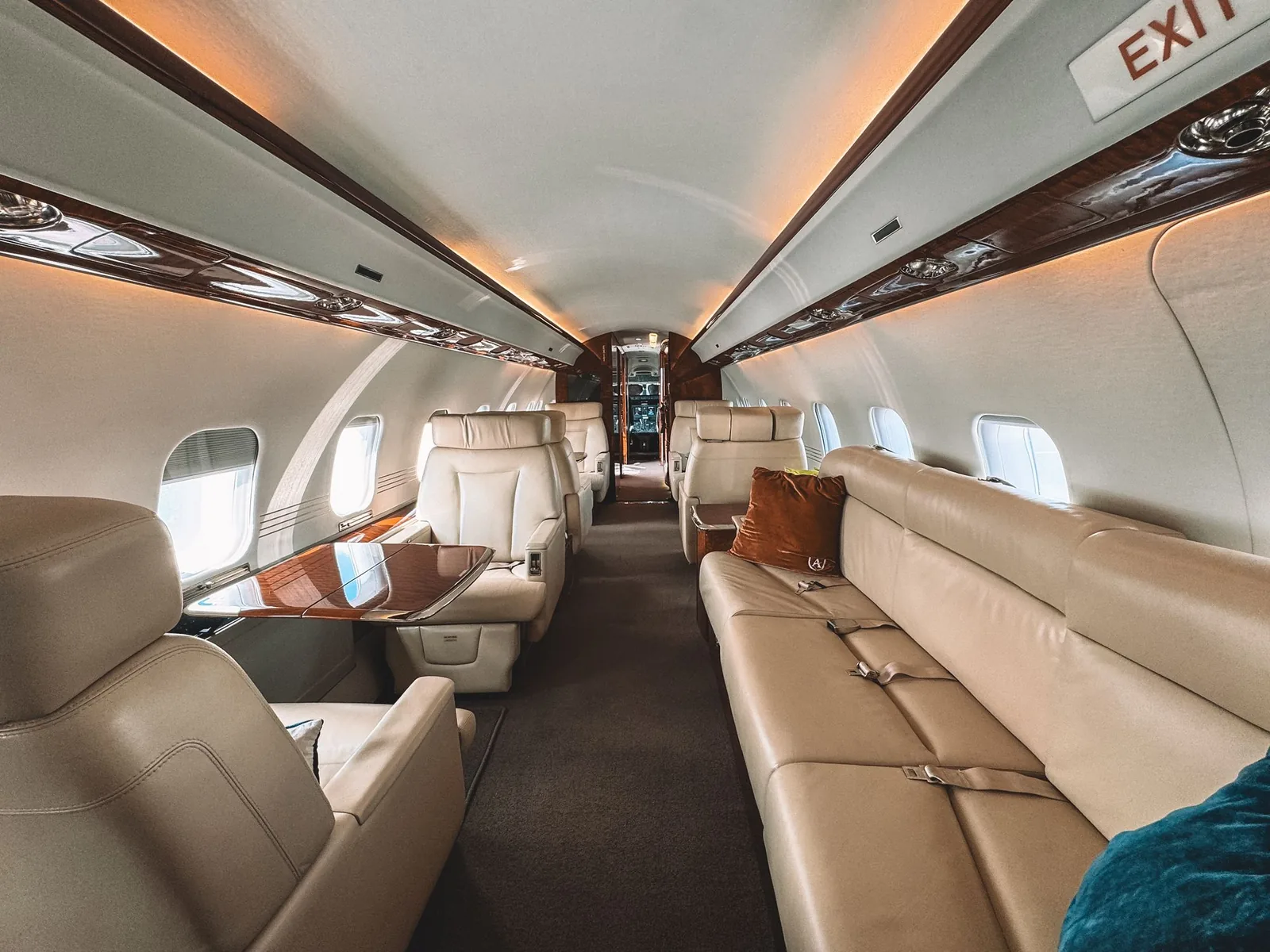
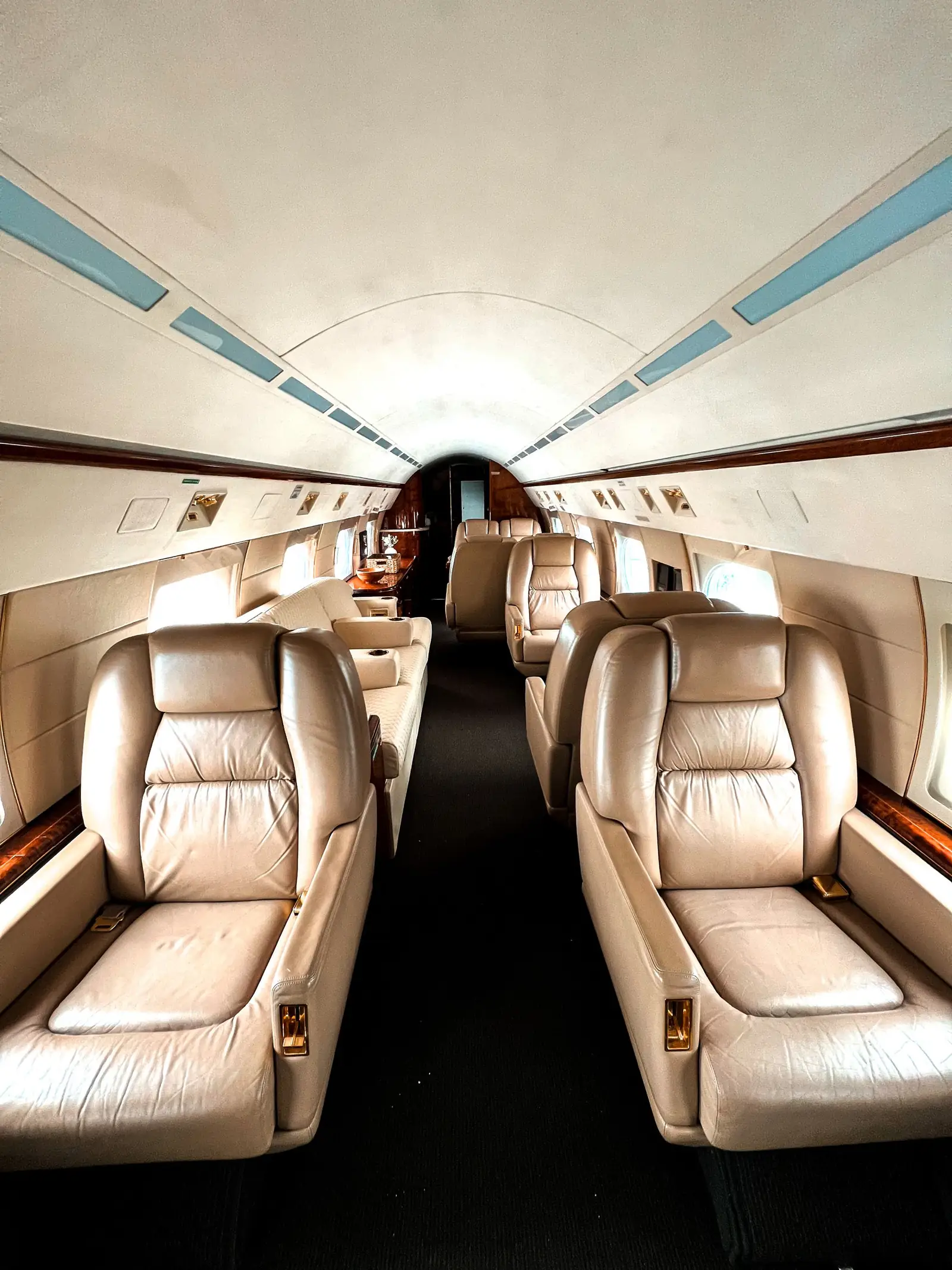
Midsize jets add cabin volume, baggage capacity, and range. Many have a stand-up or near stand-up cabin, a proper enclosed lavatory, and a club seating layout that is easier to work or talk in. That matters when six or seven people are traveling together, when the flight is long enough that comfort affects how you arrive, or when you are carrying more than a weekend’s worth of bags.
Range is the other reason to step up. Midsize jets are commonly used for longer U.S. sectors that are uncomfortable or impossible nonstop in a smaller light jet. Stratos’s 2026 category guide, for example, describes midsize jets as suited to roughly 1,750 nautical miles of typical range, versus about 1,000 for a light jet — always subject to the specific airplane and conditions. Super-midsize jets go further still and are a different (more expensive) conversation if you need coast-to-coast nonstop with a larger group.
You pay for that capability. The hourly rate is higher, and fuel burn and some airport fees can be higher too. If your trip is a short hop with three passengers and carry-ons, a midsize cabin can be more jet than you need.
How the cost difference really shows up
Stratos Jets’ November 2026 all-in retail estimates — which the company says include crew, fuel, repositioning, U.S. federal excise tax, and standard landing and handling — put light jets at about $7,622–$9,316 per hour and midsize jets at about $8,300–$10,144 per hour. On a two- to three-hour trip, that gap can be a few thousand dollars, not a different order of magnitude.
Route examples make the difference more concrete. Paramount Business Jets, in figures it said were verified in August 2026, listed New York–Miami one-way estimates of about $17,000–$20,000 in a light jet and $23,000–$27,000 in a midsize jet (with a “super light†band in between). Stratos’s November 2026 New York–Miami estimates start around $18,600–$25,900 in a light jet and $22,000–$29,100 in a midsize jet. Those are not identical baskets of assumptions, which is itself the point: ask each broker what is included.
On shorter routes, the gap can narrow in surprising ways. Daily minimums and positioning affect both classes. A midsize jet that is already at your departure airport can, on a given day, price closer to a light jet that has to be flown in. Conversely, a midsize quote can jump if the only available aircraft is coming from far away. Compare all-in totals for your dates, not just the brochure hourly rate.
Empty legs can also flip the comparison. If a midsize jet has to reposition along your route, the discounted empty-leg price might undercut a full-price light jet. That only works if you can accept the schedule risk that comes with empty-leg flights.
How to choose for your trip
Work through the mission in this order, rather than starting with a favorite aircraft name:
People and bags. Count passengers and describe luggage honestly. If you are at the top of a light jet’s comfortable load, look at midsize (or a super-light jet) before you try to make a smaller cabin work.
Distance and alternates. Ask whether the proposed aircraft can fly your city pair nonstop with your payload, in typical winds, with a sensible fuel reserve. A cheap light-jet quote that includes a fuel stop is not cheaper in time.
Airports. One reason people charter is to use closer reliever airports. Confirm that the aircraft can use the runways you actually want, especially in hot weather or at higher elevations.
How you want to spend the flight. If the cabin will be a working meeting, or a family trip long enough that people will get up, midsize comfort is easier to justify.
Budget as an all-in number. Use the 2026 hourly bands above as a sense check, then choose on the quoted total for the aircraft that can do the trip cleanly.
A turboprop is worth a look on short, runway-constrained, or baggage-heavy trips, and a super-midsize or heavy jet is the next step when you need coast-to-coast or transoceanic range or a much larger cabin. Those classes are outside this comparison, but the same rule applies: match the airplane to the mission.
Frequently Asked Questions
Is a midsize jet always more expensive than a light jet?
Usually, yes, on a like-for-like on-demand charter, because the aircraft is larger and costs more to operate. It is not guaranteed on every date. Positioning, demand, and empty legs can close or even reverse the gap. Compare all-in quotes for the same itinerary.
Can a light jet fly coast to coast?
Some light and super-light jets can cover long U.S. routes with the right winds and a light load, but many coast-to-coast charters are planned in super-midsize or larger cabins to stay nonstop with a comfortable reserve. If a coast-to-coast nonstop matters, ask for the performance on that specific aircraft and payload, not a generic class claim.
How many people should switch from a light jet to a midsize jet?
There is no official cutoff. As a planning rule, once you are consistently filling six seats with real baggage, or the flight is long enough that cabin space matters, you should price a midsize (or super-light) option. Comfort and baggage, not only the seat count in a brochure, should decide it.
Do I get a better safety standard in a midsize jet?
Safety depends on the operator, the specific aircraft’s maintenance, the crew, and the mission planning — not on the cabin marketing name. Ask who the Part 135 operator is and what third-party audits (such as ARGUS or Wyvern) they hold, regardless of cabin class.
Which class is better for a two-hour trip?
If the passenger and bag count fit, a light jet is often the more economical and perfectly adequate choice for about two hours. Choose midsize when you need the space, the baggage, or the range, or when the midsize quote is close enough that the extra cabin is worth it.
Key takeaways
Charter a light jet for smaller groups, shorter regional flights, and lighter baggage. Step up to a midsize jet when you need more cabin, more bags, or a more comfortable nonstop on a longer sector. In Stratos Jets’ November 2026 all-in data, the hourly gap between those classes is real but measured in thousands of dollars per hour, not a doubling of the bill. Let the itinerary, payload, and an all-in quote — not the class label alone — pick the aircraft.
Request a quote
Exclusive Jet Charter is an independent guide and does not operate or sell flights. When you are ready to request a trip quote, start on our Request a Quote page. Until a partner quote form is approved, that page will direct you to Contact.
Elevate Your Flying Experience with Design Solutions Tailored for Tomorrow’s Innovations
As a luxury jet interior designer, I’ve seen firsthand the rapid evolution of technology and it’s impact on aircraft interiors. Creating spaces that can adapt to these changes is crucial for maintaining the value and functionality of your private jet.
In this comprehensive guide, I’ll share strategies and considerations to keep your jet interior ahead of the curve for years to come.
Understanding the Foundations of Future-Proof Design
Future-proofing your jet interior needs a delicate balance between current luxury and forward-thinking functionality. The goal is to create a foundation flexible enough to accommodate technological advancements we can’t even imagine yet.
Adaptability is the cornerstone of future-proof design. This means creating spaces that can be easily reconfigured, systems that can be upgraded without major overhauls, and an infrastructure that supports the integration of new technologies.
It’s more than just what you can see – this involves what’s behind the walls, under the floors, and within the very fabric of the aircraft.
When designing a future-proof jet interior, consider the following:
Flexibility: Design spaces that can serve multiple purposes and be easily reconfigured.
Scalability: Implement systems that can grow and expand as technology advances.
Accessibility: Ensure easy access to wiring, panels, and other components for future upgrades.
Longevity: Choose materials and finishes that will stand the test of time both aesthetically and functionally.
By focusing on these principles, you’ll create a jet interior that stays cutting-edge and luxurious for years to come.
Embracing Modular Systems
One of the most effective strategies for future-proofing your jet interior is to adopt modular systems. These allow for easy updates and reconfigurations without the need for extensive renovations.
Modular Seating Arrangements
Modular seating offers the flexibility to quickly change your cabin configuration. Today, you might prefer a layout optimized for business meetings.
Tomorrow, you might want a more relaxed, social setting.
With modular systems, these changes can be made swiftly and efficiently.
Consider incorporating:
Seats with quick-release mechanisms for easy repositioning
Multi-functional furniture pieces that can serve as seating, tables, or storage
Lightweight, movable dividers to create separate spaces as needed
Modular Entertainment Systems
Entertainment technology evolves rapidly. By designing your entertainment systems as modular units, you can easily upgrade or replace components without disrupting the entire cabin.
Implement:
Removable display panels that can be swapped out for newer models
Modular sound systems with easily upgradeable speakers and amplifiers
Flexible mounting systems that can accommodate different sizes and types of devices
Modular Work Areas
As business needs change, so should your onboard workspace. Create modular work areas that can adapt to different technologies and work styles.
Include:
Adjustable desks and workstations that can be reconfigured or removed
Built-in charging stations and connectivity ports that can be easily updated
Modular storage solutions for evolving tech equipment
Modular Galley Spaces
Even your galley can benefit from a modular approach. Design it with flexibility in mind to accommodate new appliances and changing culinary trends.
Consider:
Standardized cabinet sizes for easy appliance swaps
Modular countertop sections that can be replaced or upgraded
Flexible storage systems that can adapt to different catering needs
Modular Wall Panels
Incorporating modular wall panels allows for seamless aesthetic updates and the integration of new technologies without a finish cabin overhaul.
Implement:
Easily removable panels for access to wiring and systems
Interchangeable decorative panels to update the cabin’s look
Smart panels that can combine new display technologies or control interfaces
By embracing modularity throughout your jet interior, you confirm that your aircraft can evolve with changing needs and technologies, maintaining it’s value and functionality for years to come.
Integrating Smart Systems
The backbone of a future-proof jet interior is a robust, intelligent infrastructure. This goes beyond simple automation – we’re talking about creating a nervous system for your aircraft that can learn, adapt, and evolve.
Centralized Control Systems
A centralized control system serves as the brain of your jet’s smart infrastructure. It should manage everything from lighting and climate to entertainment and communications.
Key features to include:
Open architecture design for easy integration of new technologies
User-friendly interfaces that can be updated as design trends change
Remote access capabilities for pre-flight preparation and troubleshooting
Artificial Intelligence Integration
AI will play a crucial role in the smart systems of future jet interiors. AI assistants can learn passenger preferences, anticipate needs, and even manage maintenance schedules.
Implement AI systems that can:
Learn and adapt to individual passenger preferences for lighting, temperature, and entertainment
Predict maintenance needs based on usage patterns and system performance
Optimize flight plans and cabin preparations based on passenger schedules and preferences
Sensor Networks
A comprehensive network of sensors throughout the cabin can gather data on environmental conditions, passenger behavior, and system performance. This data can be used to optimize comfort, efficiency, and maintenance schedules.
Consider sensors for:
Air quality monitoring and automatic adjustment of filtration systems
Occupancy detection for optimizing climate control and lighting
Vibration and noise monitoring for proactive maintenance
Predictive Maintenance
By leveraging data from your smart systems and sensor networks, you can apply predictive maintenance protocols that keep your jet in top condition and minimize downtime.
Develop systems that:
Monitor component wear and performance in real-time
Schedule maintenance based on actual usage as opposed to fixed intervals
Alert crew to potential issues before they become problems
Upgradable Software Infrastructure
Ensure that your jet’s software infrastructure is designed for easy updates and upgrades. This allows you to add new features and improve performance without major hardware changes.
Implement:
Over-the-air update capabilities for all onboard systems
Secure, redundant data storage for system backups and passenger information
Compatibility with emerging software standards and protocols
By creating a comprehensive smart system for your jet interior, you’re not just adding convenience – you’re building a foundation that can adapt to future technologies and continue to provide a cutting-edge experience for years to come.
Prioritizing Connectivity
In our increasingly connected world, ensuring that your jet can keep up with evolving communication technologies is paramount. This means going beyond just providing Wi-Fi – it involves creating a comprehensive connectivity ecosystem.
Advanced Satellite Internet Systems
Satellite internet technology is constantly evolving. Design your jet’s connectivity infrastructure with upgradability in mind.
Consider:
Scalable satellite antenna systems that can accommodate future high-bandwidth technologies
Multi-band capabilities to confirm connectivity across different satellite networks
Software-defined radio systems for flexibility in adapting to new communication protocols
5G and Beyond
While 5G is still rolling out globally, it’s essential to prepare for this and future generations of cellular technology.
Implement:
Built-in 5G antennas and amplifiers with easy access for future upgrades
Modular cellular modem systems that can be swapped out as technology advances
Hybrid connectivity solutions that can seamlessly switch between satellite and cellular networks
Future-Ready Communication Spaces
Create dedicated spaces for communication equipment that can be easily accessed and upgraded.
Design:
Accessible equipment racks with standardized mounting systems
Cooling systems that can handle increased heat loads from future high-performance equipment
Shielded compartments to protect sensitive communication gear from interference
Augmented Reality Integration
Prepare for the integration of augmented reality technologies that could alter the in-flight experience.
Consider:
AR-ready windows that can overlay information on the view outside
Cabin surfaces designed to accommodate projection mapping or holographic displays
Spatial audio systems for immersive AR experiences
Holographic Communication Systems
While still in it’s infancy, holographic communication could become a reality in high-end private jets. Prepare your cabin for this possibility.
Plan for:
Open spaces that could accommodate holographic projection systems
High-bandwidth data pipelines capable of handling holographic data streams
Flexible lighting systems that can adapt to holographic display needs
Electromagnetic Shielding
As connectivity becomes more complex, protecting sensitive electronics from interference becomes increasingly important.
Implement:
Comprehensive electromagnetic shielding throughout the cabin
Adaptable shielding systems that can be upgraded as new technologies emerge
Dedicated, shielded spaces for passengers to use sensitive electronic devices
By prioritizing connectivity in your jet interior design, you’re not just staying in touch – you’re enabling new experiences and functionalities that will keep your aircraft at the forefront of luxury travel.
Focusing on Sustainable and Adaptable Materials
Future-proofing isn’t about technology – it’s also about sustainability and adaptability. Choosing materials that are luxurious, durable, environmentally friendly, and easy to update is crucial for a long-lasting jet interior.
Nanotechnology-Enhanced Fabrics
Fabrics with nanotechnology coatings offer superior durability and functionality.
Look for:
Stain and bacteria-repellent fabrics that reduce the need for frequent replacements
Self-cleaning materials that maintain their appearance over time
Fabrics with embedded sensors for monitoring passenger comfort
Self-Healing Surfaces
Emerging self-healing materials can significantly extend the life of your jet’s interior surfaces.
Consider:
Self-healing leather choices for seating and wall coverings
Scratch-resistant coatings for high-touch areas
Smart materials that can change color or texture on demand
Sustainable Luxury Materials
Sustainability is increasingly important in luxury design. Choose materials that are both opulent and environmentally responsible.
Explore:
Recycled and upcycled luxury fabrics
Sustainably sourced wood veneers and stone surfaces
Bio-based leather choices that offer the look and feel of genuine leather
Antimicrobial Surfaces
In a post-pandemic world, hygiene is a top priority. Incorporate antimicrobial surfaces in high-touch areas.
Implement:
Copper-infused surfaces for natural antimicrobial properties
UV-resistant materials that can withstand frequent sanitization
Self-disinfecting coatings for often touched surfaces
Adaptable Finishes
Choose finishes that can be easily updated to refresh the cabin’s look without major renovations.
Consider:
Interchangeable veneer systems for cabinetry and walls
Modular flooring systems that allow for easy replacement of worn sections
Customizable lighting elements that can dramatically change the cabin’s ambiance
Smart Textiles
Integrate smart textiles that can adapt to passenger needs and environmental conditions.
Look for:
Temperature-regulating fabrics for seating and bedding
Light-responsive materials that can adjust opacity
Conductive fabrics that can combine with the jet’s electrical systems
Recyclable and Biodegradable Options
When possible, choose materials that can be easily recycled or that will biodegrade at the end of their lifecycle.
Explore:
Biodegradable composites for non-structural elements
Easily separable materials for effective recycling
Refurbishment programs that can repurpose old materials
By focusing on sustainable and adaptable materials, you create an interior that stands the test of time in terms of style and in terms of functionality and environmental responsibility.
Implementing Flexible Lighting and Display Systems
Lighting and visual displays are areas where technology is advancing rapidly. To future-proof these elements, think in terms of flexibility and upgradability.
Micro-LED Lighting Networks
Micro-LED technology offers unprecedented control over lighting in your jet interior.
Implement:
A network of micro-LED lights throughout the cabin for infinite customization
Programmable lighting scenes that can create any ambiance
Dynamic lighting that can display information or mimic natural light patterns
Transparent OLED Displays
Transparent OLED technology can turn any surface into a potential display.
Consider:
Integrating transparent OLED screens into windows for information overlay
Using transparent displays as room dividers that can become opaque on demand
Implementing curved OLED surfaces for seamless integration with cabin contours
Smart Windows
Self-tinting smart windows eliminate the need for traditional shades and offer a more high-tech experience.
Look for:
Electrochromic windows that can adjust opacity based on sunlight levels or passenger preferences
Windows with built-in displays for augmented reality experiences
Energy-harvesting smart windows that can contribute to the aircraft’s power needs
Flexible Display Surfaces
As display technology becomes more flexible, new possibilities for cabin design emerge.
Explore:
Rollable displays that can be hidden when not in use
Stretchable displays that conform to curved surfaces
E-paper displays for low-power, always-on information panels
Holographic Projection Systems
While still emerging, holographic technology could alter in-flight entertainment and communication.
Prepare for:
Open spaces that can accommodate holographic projections
Surfaces designed to enhance holographic image quality
Integration of spatial audio systems for immersive holographic experiences
Adaptive Color Temperature Systems
Lighting that can adjust it’s color temperature can enhance passenger comfort and well-being.
Implement:
Circadian rhythm lighting that mimics natural light patterns
Personalized lighting zones that adapt to individual passenger preferences
Color-tunable lighting for different activities (work, relaxation, dining)
Interactive Projection Mapping
Projection mapping can transform the cabin’s appearance and functionality on demand.
Consider:
Textured surfaces designed to enhance projection effects
High-resolution projectors integrated seamlessly into the cabin design
Interactive systems that respond to passenger gestures or movements
By creating a lighting and display infrastructure that can adapt to new technologies, you confirm that your jet interior stays visually stunning and functionally advanced for years to come.
Anticipating Health and Wellness Technologies
The future of luxury travel will likely place an even greater emphasis on passenger health and wellness. Preparing for this trend involves designing spaces that can accommodate evolving health technologies.
Biometric Monitoring Stations
Integrate areas for advanced health monitoring without compromising luxury.
Consider:
Discreet biometric sensors built into seating and sleeping areas
Dedicated health kiosks for more comprehensive check-ups
Integration of wearable device data with the jet’s health monitoring systems
Advanced Air Purification Systems
Air quality is paramount in enclosed spaces like aircraft cabins.
Implement:
Modular air purification systems that can be easily upgraded
Real-time air quality monitoring and automatic adjustment
Integration of emerging technologies like photocatalytic oxidation or plasma air purification
Wellness Pods
Create spaces that can be converted into personal wellness retreats.
Design:
Modular pods that can be configured for meditation, light therapy, or other wellness activities
Sound-insulated spaces for relaxation or sleep optimization
Areas that can accommodate emerging wellness technologies like VR therapy or neurofeedback systems
Circadian Rhythm Lighting
Lighting that supports natural sleep-wake cycles can significantly improve passenger comfort on long flights.
Incorporate:
Full-spectrum lighting systems that can mimic natural sunlight
Personalized lighting schedules based on passenger itineraries and preferences
Integration with window tinting systems for comprehensive light management
Personalized Climate Control
Individual climate preferences can vary widely. Provide personalized comfort for each passenger.
Develop:
Micro-climate systems for individual seats or suites
AI-driven climate control that learns passenger preferences
Integration with biometric data to automatically adjust temperature and humidity
Active Noise Cancellation
While passive noise reduction is standard, active systems can provide an even quieter cabin environment.
Explore:
Cabin-wide active noise cancellation systems
Personalized noise-canceling headrests or suites
Smart materials that can dynamically dampen vibrations and noise
Hydration Monitoring and Management
Proper hydration is crucial for passenger health, especially during long flights.
Implement:
Smart water dispensers that track individual hydration levels
Humidity control systems that maintain optimal cabin moisture levels
Integration with personal devices for hydration reminders and tracking
Sleep Optimization Technology
Quality sleep is a luxury that technology can enhance.
Consider:
Sleep pods with adjustable lighting, temperature, and sound
Integration of EEG-based sleep tracking for personalized rest recommendations
Electromagnetic field minimization in sleeping areas for improved sleep quality
By anticipating and preparing for these health and wellness technologies, you create a jet interior that pampers passengers but actively contributes to their well-being during travel.
Ensuring Cybersecurity and Privacy
As jet interiors become more connected and reliant on digital systems, cybersecurity and privacy become increasingly important. Future-proof your design by incorporating robust security measures that can be updated as new threats emerge.
Dedicated Secure Communication Spaces
Create areas specifically designed for sensitive communications.
Implement:
Faraday cage-like enclosures for finish electromagnetic isolation
Dedicated, air-gapped networks for secure data transmission
Soundproofing and visual privacy measures for confidential conversations
Adaptive Privacy Screens
Privacy needs can change during a flight. Provide flexible solutions.
Consider:
Electrochromic dividers that can instantly switch from transparent to opaque
Directional sound barriers to prevent eavesdropping
Smart materials that can create temporary private spaces within the cabin
Multi-Layered Security Systems
Design your digital infrastructure with multiple layers of security.
Develop:
Segmented networks with different security levels for various systems
Regular automated security audits and updates
AI-driven threat detection and response systems
Quantum Encryption Technologies
While still emerging, quantum encryption could provide unbreakable security for the most sensitive communications.
Prepare for:
Integration of quantum key distribution systems
Quantum-resistant cryptography for all digital communications
Dedicated quantum communication channels for ultra-secure data transmission
Biometric Access Control
Enhance security and convenience with advanced biometric systems.
Implement:
Multi-factor biometric authentication for accessing different cabin areas
Continuous passive biometric monitoring for seamless security
Biometric data storage with military-grade encryption and privacy protections
Secure Data Storage and Destruction
Ensure that sensitive data stays protected, even after the flight.
Consider:
Self-encrypting storage devices with remote wipe capabilities
Physical data destruction systems for sensitive documents
Secure cloud synchronization for passenger data with strict access controls
Electromagnetic Pulse (EMP) Protection
Protect critical systems from potential electromagnetic attacks or solar events.
Implement:
EMP-hardened enclosures for critical avionics and communication systems
Redundant, shielded power systems to confirm continuity of operation
Regular testing and upgrading of EMP protection measures
Privacy-Enhancing Cabin Design
Incorporate physical design elements that enhance digital privacy.
Consider:
Strategic placement of screens and devices to prevent visual hacking
Sound-absorbing materials to reduce voice carry in open cabin areas
Adjustable lighting to create privacy zones and reduce screen visibility
By focusing on cybersecurity and privacy in your jet interior design, you create a secure environment that protects passengers’ data and privacy, no matter how technology evolves.
Frequently Asked Questions
What is future-proofing in jet interior design?
Future-proofing in jet interior design involves creating flexible and adaptable spaces that can easily incorporate new technologies and design trends as they emerge. This approach confirms the jet stays modern and functional for years to come, without requiring extensive renovations.
How often should a private jet interior be updated?
The frequency of updates depends on usage and technological advancements, but generally, minor updates every 3-5 years and major refurbishments every 7-10 years can keep a jet interior current. However, with a well-designed future-proof interior, these intervals can be extended.
Can older jets be retrofitted with future-proof designs?
Yes, older jets can be retrofitted with future-proof elements. While some limitations may exist due to the original aircraft structure, many aspects like modular systems, smart technologies, and sustainable materials can be incorporated during a comprehensive refurbishment.
What are the most important technologies to consider for a future-proof jet interior?
Key technologies include advanced connectivity solutions, flexible display systems, smart environmental controls, and modular design elements. Additionally, considering emerging technologies like augmented reality and holographic displays can further future-proof the interior.
How does future-proofing affect the resale value of a private jet?
A well-executed future-proof design can significantly enhance a jet’s resale value. By incorporating flexible systems and staying ahead of technological trends, the aircraft stays attractive to potential buyers for a longer period, potentially commanding a higher price in the secondary market.
What materials are best for a long-lasting jet interior?
Durable, sustainable, and easily maintainable materials are ideal. This includes advanced fabrics with nanotechnology coatings, self-healing surfaces, antimicrobial materials, and easily replaceable modular components.
The key is to balance luxury with longevity and adaptability.
How can I confirm my jet’s connectivity stays up-to-date?
Design your jet’s connectivity infrastructure with upgradability in mind. This includes scalable satellite systems, modular cellular technology components, and flexible wiring systems that can accommodate future communication technologies.
What are the latest trends in private jet interior lighting?
Current trends focus on customizable LED systems, circadian rhythm lighting, and smart windows that can adjust opacity. Future-forward designs are also considering flexible OLED panels and projection mapping for dynamic lighting experiences.
How can I incorporate wellness features into my jet interior?
Consider dedicated spaces for wellness activities, advanced air purification systems, personalized climate control, and areas that can accommodate emerging health technologies like biometric monitoring stations or meditation pods.
What security measures should be considered in a future-proof jet interior?
Key security considerations include advanced encryption for all digital systems, physical privacy measures like adaptable screens and soundproofing, biometric access controls, and dedicated secure communication spaces. Also, consider future technologies like quantum encryption for ultra-secure communications.
Key Takeaways
Embrace modular design for easy updates and reconfigurations.
Implement smart systems with AI integration for adaptive, personalized experiences.
Prioritize advanced connectivity solutions to stay ahead of communication trends.
Choose sustainable and adaptable materials for longevity and environmental responsibility.
Integrate flexible lighting and display systems to accommodate emerging technologies.
Anticipate health and wellness technologies to enhance passenger comfort and well-being.
Ensure robust cybersecurity and privacy measures that can evolve with new threats.
Design with flexibility and upgradability as core principles to extend the jet’s relevance and value.